The Judicial Integrity Act extends federal conflict-of-interest prohibitions to judicial branch officers and employees, ensuring they are barred from participating in matters where they hold a financial interest.
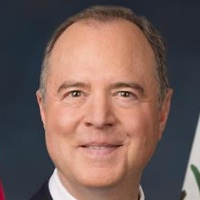
Adam Schiff
Senator
CA
The Judicial Integrity Act extends federal conflict-of-interest laws to include officers and employees of the judicial branch, prohibiting them from participating in matters where they or their immediate family hold a financial interest. The bill empowers the Judicial Conference of the United States to establish a public, transparent process for granting limited exemptions for interests deemed too remote or inconsequential to impact judicial integrity.
Judicial Integrity Act Closes Ethics Loophole: Judges to Face Same Financial Conflict Rules as Executive Branch
The Judicial Integrity Act aims to close a long-standing gap in government ethics by extending federal conflict-of-interest laws to the judicial branch. Under Section 2, judges and judicial employees will be legally barred from participating in any case or matter where they, their spouse, or their minor children have a financial stake. This essentially takes the strict rules that have applied to the President’s cabinet and executive agencies for years and applies them to the people wearing the robes in federal courtrooms.
Closing the Ethics Gap Currently, 18 U.S.C. § 208(a) prevents executive branch officials from working on things that affect their own wallets, but the judicial branch wasn't explicitly covered by this specific criminal statute. This bill changes that, making it clear that a judge can't oversee a case involving a company if they own significant stock in it. For a regular person—say, a small business owner suing a larger corporation—this ensures the person deciding the case doesn't have a personal financial reason to favor one side over the other. By aligning the rules across branches, the bill creates a uniform standard for what counts as a 'conflict.'
The Fine Print on Exemptions While the bill sets a hard line, it also recognizes that not every financial tie is a problem. Section 2(b) gives the Judicial Conference of the United States the power to write regulations that exempt certain interests if they are 'too remote or too inconsequential' to matter. Think of it like this: if a judge owns a tiny fraction of a mutual fund that happens to hold shares in a company appearing in court, it likely won't sway their judgment. However, the bill adds a layer of accountability here by requiring a public notice-and-comment process. This means the judicial branch can't just decide these exemptions behind closed doors; they have to let the public see the proposed rules and weigh in before they become official.
Real-World Accountability For the average citizen, this bill is about making sure the 'referees' of our legal system are playing fair. By explicitly including spouses and minor children in the conflict-of-interest check, the legislation prevents officials from bypassing the rules by simply moving assets into a family member's name. While the bill is clear and direct, the real-world impact will depend on how the Judicial Conference defines those 'inconsequential' interests during the public rulemaking phase. It’s a move toward transparency that treats the judiciary like any other part of the government, ensuring that those who interpret the law are held to the same financial standards as those who execute it.