The Clean Water Allotment Modernization Act of 2026 updates the EPA’s formula for distributing federal clean water funding to states, territories, and tribes based on infrastructure needs, population, and poverty levels.
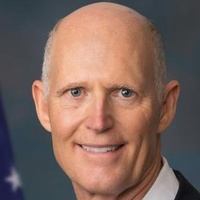
Rick Scott
Senator
FL
The Clean Water Allotment Modernization Act of 2026 updates the EPA’s formula for distributing federal clean water funding to states, territories, and Indian tribes. By prioritizing infrastructure needs, population data, and poverty levels, the bill ensures a more equitable and modern allocation of resources. Additionally, it streamlines administrative requirements and expands the eligible uses of state capitalization grants to better support water infrastructure projects.
EPA Overhauls Clean Water Funding: New 2026 Formula Prioritizes Poverty and Population for State Infrastructure Grants
The Clean Water Allotment Modernization Act of 2026 is a major rewrite of the rulebook the EPA uses to hand out cash for water infrastructure. Instead of sticking with the old ways of dividing the pie, this bill creates a three-part formula to decide how much money each state gets for things like fixing aging sewer lines or keeping local streams clean. Starting in the first fiscal year after the EPA finishes a new 'needs survey,' the money will be split based on three specific metrics: 60% goes toward the actual cost of projects identified in the survey, 20% is based on total population, and the final 20% is tied to the number of residents living at or below 200% of the federal poverty level.
The New Math of Clean Water
This shift means that the federal government is moving away from historical legacy funding and toward a 'data-first' approach. For a family living in a densely populated city with high poverty rates, this could mean more federal support for local water projects that have been neglected for decades. On the flip side, states that have historically enjoyed large slices of the funding pie despite having smaller populations or fewer documented 'needs' might see their budgets shrink. To prevent a total fiscal shock, the bill includes a 'buffer' period for the first four years: a state’s funding can’t jump more than 200% or drop more than 25% in a single year. It’s essentially a set of training wheels to help state treasuries adjust to the new reality.
Carving Out the Pie
Before the states even get to the new formula, the EPA has to take a few slices off the top. The bill mandates a 2% set-aside for Indian tribes and 1.5% for U.S. territories like Guam and the U.S. Virgin Islands. There’s also a new 0.1% carve-out for 'Buy American oversight.' While supporting domestic manufacturing sounds great on paper, the bill is a bit vague on what 'oversight activities' actually entail. For a contractor on a job site, this could mean more paperwork or stricter inspections to prove that every pipe and valve was made in the USA. Additionally, the bill allows states to use 0.5% of their grants just to run the surveys required to prove they need the money—a move that helps smaller states with less administrative staff but technically takes a small bite out of the funds available for actual construction.
Infrastructure Impact and the Fine Print
One of the biggest changes is the removal of the old Section 516 survey requirement, replacing it with a more streamlined process under Section 609. This matters because these surveys are the primary evidence used to justify how much money your local water utility can grab from the federal government. If you’re a small business owner in a state that doesn’t stay on top of its paperwork, your community might miss out on its fair share of the 60% 'needs-based' funding pool. The bill does make it clear that the massive funding from the recent Infrastructure Investment and Jobs Act is protected and won't be touched by these new formula changes, ensuring that projects already in the pipeline stay on track while the EPA transitions to this new, more complex system.