The Welcome Back to the Health Care Workforce Act authorizes federal grants to support the integration, training, and career advancement of internationally educated health care professionals within the U.S. workforce.
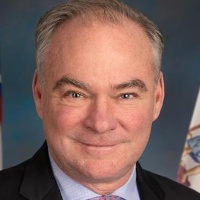
Timothy "Tim" Kaine
Senator
VA
The "Welcome Back to the Health Care Workforce Act" authorizes federal grants to help internationally educated health care professionals integrate into the U.S. workforce. By funding both system-level improvements and individual support services, the bill aims to address critical staffing shortages and improve health care access in underserved and rural communities.
Healthcare Workforce Bill Targets Rural Shortages by Fast-Tracking Internationally Educated Pros
The 'Welcome Back to the Health Care Workforce Act' is essentially a talent-retrieval mission for the U.S. medical system. It sets up a grant program to help healthcare professionals who were trained abroad—but are already living here legally—get past the red tape and into our local clinics and hospitals. Instead of having a former surgeon driving a rideshare because they can't navigate the licensing maze, this bill authorizes the Secretary of Health and Human Services to fund programs that bridge that gap. Starting no later than one year after it becomes law, these grants will flow to partnerships of hospitals, colleges, and nonprofits to get these skilled workers back into the white coats they’ve already earned.
Clearing the Licensing Hurdle
If you’ve ever tried to renew a passport or deal with the DMV, you know how soul-crushing bureaucracy can be; now imagine doing that for a medical license from another country. This bill tackles that by funding 'individual-level support.' We're talking about specific help with credential evaluations, accelerated English-as-a-second-language courses, and exam prep. For a nurse who moved here from the Philippines or a doctor from South America, Section 2 of the bill means they could get help covering living expenses, transportation, or the high costs of certification while they study for U.S. boards. It’s a practical way to move people from the sidelines into the workforce where they are desperately needed.
Boosting Rural Care and Career Ladders
The bill doesn't just help individuals; it requires 'system-level' changes too. At least 20% of the grant money must go toward things like educating U.S. employers about what international degrees actually mean and creating 'career ladders.' This is huge for rural communities, which get priority under this legislation. Imagine a small-town hospital that’s been short-staffed for years; this bill provides the funds to recruit and retain these professionals specifically in those gaps. It also encourages peer mentoring and leadership development, ensuring these workers aren't just hired for entry-level roles but are supported as they move into senior or academic positions.
Accountability and the Fine Print
Because this involves 'whatever sums are necessary' from 2027 through 2031, the bill includes some strict homework for the organizations getting the cash. They have to report back every year on exactly who they are helping, where those people were educated, and—most importantly—how many actually landed jobs or failed to get certified. While the bill is mostly a 'green light' for growth, it has a 'Medium' vagueness level regarding how the Secretary determines which entities are 'appropriate' for grants. However, the 'supplement, not supplant' rule is a key safeguard, ensuring that states don't use this federal money as an excuse to cut their own existing healthcare training budgets.