The Fairness for Small-Scale Farmers and Ranchers Act of 2026 aims to revitalize the agricultural economy by curbing corporate consolidation, enforcing fair market competition, and increasing support for independent producers and regional food infrastructure.
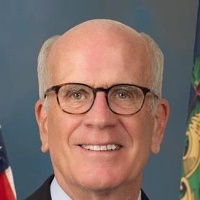
Peter Welch
Senator
VT
The Fairness for Small-Scale Farmers and Ranchers Act of 2026 aims to revitalize the agricultural economy by curbing corporate consolidation through a moratorium on major mergers and a reexamination of past industry deals. The legislation strengthens protections for independent producers, increases transparency in meat and poultry pricing, and mandates country-of-origin labeling for beef, pork, and dairy. Additionally, it bolsters support for beginning and socially disadvantaged farmers while investing in regional processing infrastructure to create a more competitive and resilient food system.
New Farming Act to Freeze Big Food Mergers and Mandate Beef and Dairy Origin Labels by 2026
The Fairness for Small-Scale Farmers and Ranchers Act of 2026 is taking a sledgehammer to the status quo of the American food system. Starting in 2026, the bill imposes a total moratorium on large-scale mergers in the agribusiness, food manufacturing, and grocery sectors. Specifically, it blocks any company with over $222 million in annual sales from buying out smaller businesses valued at $22 million or more. This isn't just a pause on future deals; the bill also orders the Department of Justice and the FTC to look back at every major merger since 2006 and gives them the authority to break up companies if those past deals hurt competition or squeezed family farmers. For the average person at the grocery store, this means the landscape of who owns your favorite brands and local supermarkets could be facing its biggest shakeup in decades.
Putting a Label on It
If you’ve ever stood in the dairy aisle wondering where your milk actually comes from, this bill has an answer. It restores mandatory country-of-origin labeling for beef and pork and, for the first time, expands those requirements to include dairy products. Under Title II, dairy labels will have to list every single country where ingredients were sourced and processed. For a local dairy farmer, this is a major win for transparency, as it prevents large corporations from blending international products and selling them under vague domestic branding. For you, it means knowing exactly whether that block of cheddar started on a farm in Wisconsin or was imported and processed through multiple countries before hitting your cart.
Leveling the Livestock Playing Field
The bill also takes aim at the "Big Four" meatpackers by fundamentally changing how they buy livestock. Under the new rules, large packers must purchase at least 50% of their cattle on the open "spot market" from independent producers, rather than relying solely on private, long-term contracts that often lock out smaller ranchers. This is designed to give a rancher in Nebraska or a poultry grower in Georgia more leverage to negotiate a fair price. Additionally, the bill updates the Packers and Stockyards Act to ban deceptive practices, like price manipulation, and ensures that if a small farmer has to take a massive corporation to court and wins, the company has to pay their legal fees. It’s a move intended to stop the "David vs. Goliath" scenario where legal costs alone prevent farmers from standing up for their rights.
Investing in the Next Generation
Recognizing that the average age of a U.S. farmer is nearly 60, Title III of the bill puts real money behind the next generation. It guarantees $100 million per year through 2030 for programs specifically targeting beginning, retiring, and socially disadvantaged farmers. This funding is designed to help a 30-year-old looking to start a small-scale organic farm or a retiring rancher who wants to pass their land to a newcomer rather than selling it to a developer. Furthermore, the bill creates a $500 million fund for local agriculture markets to help farmers sell directly to consumers, bypassing the massive supply chains that currently dominate the industry.
The Infrastructure of Independence
To make these small farms viable, the bill provides grants and loans to build out small-scale processing plants. Currently, many small ranchers have to drive hundreds of miles to find a facility that can process their meat because the large ones only take corporate contracts. A new 5-year pilot program will even provide free overtime inspections to help these small plants stay competitive. One detail to watch: to get this specific help, facilities must sign "labor peace agreements," meaning they agree to remain neutral if their workers decide to unionize. While this aims to protect workers, it might be a hurdle for some small business owners who aren't ready to navigate union negotiations. Overall, the bill bets big on the idea that a more decentralized, transparent food system is better for both the person growing the food and the person eating it.