The Agricultural Worker Justice Act of 2026 mandates fair labor standards and corporate accountability for USDA contractors while implementing comprehensive safety and workplace protections for meat and poultry processing employees.
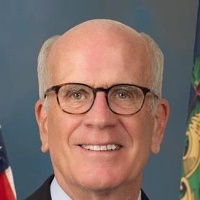
Peter Welch
Senator
VT
The Agricultural Worker Justice Act of 2026 aims to improve labor standards and corporate accountability within the food supply chain by tying USDA contracts to fair wages and strict labor law compliance. Additionally, the bill mandates comprehensive safety reforms for the meatpacking industry, including stricter line-speed regulations, enhanced whistleblower protections, and expanded OSHA oversight. Together, these measures seek to ensure safer working conditions, higher pay, and greater transparency for both food workers and the American public.
Agricultural Worker Justice Act of 2026: New Standards for Meatpacking Safety and Federal Food Spending Set to Launch.
The Agricultural Worker Justice Act of 2026 is a massive overhaul of how the federal government interacts with the food supply chain, specifically targeting the U.S. Department of Agriculture (USDA) and the meatpacking industry. At its core, the bill uses the government’s massive purchasing power to force higher labor standards. Starting in 2026, the USDA would be prohibited from buying meat or processed foods from companies that pay workers less than the local prevailing wage. It also pulls a major lever on corporate finance: if a company takes a USDA contract, it is barred from using its own cash for stock buybacks or dividends during that period. Essentially, the bill tells big ag-corps that if they want taxpayer money, they have to invest it in their workers and operations rather than just padding shareholder pockets.
Putting the 'Local' in Lunch
For parents and local farmers, Title I changes the game for school cafeterias and community food systems. The bill earmarks a permanent $400 million annually for grants that help schools and institutions buy food directly from local producers. It also tightens the rules on where that food comes from. Schools would only be allowed to skip American-made products for foreign ones if the domestic version is way too expensive or simply unavailable, and they’d have to post a public notice about it. This means if you’re a parent, you’ll have a much clearer view of whether your kid’s school milk or snacks are coming from a local dairy or an overseas supplier.
Clocking Out for Safety
Title II dives deep into the high-stakes environment of meatpacking plants, where the work is notoriously dangerous. The bill hits the brakes on 'line speeds'—the rate at which animals are processed—by requiring an independent safety certification before any speed increases are allowed. It also addresses basic human needs that many office workers take for granted, like guaranteed bathroom breaks. Under this law, OSHA inspectors would verify that workers can use the restroom without being disciplined or losing pay. For a worker on a poultry line, this isn't just about comfort; it's about preventing long-term health issues and maintaining basic dignity on the job.
Accountability and the Right to Sue
The legislation shifts the power dynamic between big processing plants and their employees by strengthening whistleblower protections and creating a 'private right of action.' This means if a plant has major safety violations, workers don't have to wait for a slow-moving government agency to act; they can sue the company directly for damages. It also cracks down on 'no-fault' attendance policies that often penalize workers for taking legally protected sick leave. To back all this up, the bill provides $60 million a year to hire more OSHA inspectors, ensuring there are actually enough boots on the ground to check that these new rules are being followed in the plants.