The Harry Reid Immigration Stabilization Act is a comprehensive immigration reform bill that seeks to significantly reduce legal immigration, tighten asylum and refugee standards, expand criminal deportation grounds, and implement stricter border and employment verification measures.
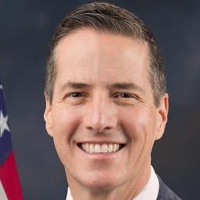
Bernie Moreno
Senator
OH
The Harry Reid Immigration Stabilization Act is a comprehensive legislative overhaul designed to significantly reduce legal immigration, tighten border security, and increase enforcement against undocumented individuals. The bill restricts family and employment-based immigration, implements stricter asylum and refugee standards, and mandates new employment verification systems. Additionally, it expands grounds for deportation, limits birthright citizenship, and imposes new financial requirements on immigrants and their sponsors.
Immigration Overhaul Bill Caps Family Visas, Mandates New $50 Biometric ID Cards, and Narrows Birthright Citizenship
This legislation, known as the Harry Reid Immigration Stabilization Act, proposes a massive shift in how the U.S. handles who gets to come here, who gets to stay, and how we prove we belong. Starting after fiscal year 2026, it moves to slash the number of family-sponsored visas to 300,000 and restricts them almost entirely to spouses and minor children. If you were hoping to sponsor a parent, an adult child, or a sibling, this bill effectively shuts that door by phasing out those categories. It also eliminates the Diversity Visa lottery entirely and narrows work-based green cards to just 40,000 slots reserved for 'elite' categories like world-class researchers or multinational execs.
The New Paperwork in Your Wallet
For every citizen and legal resident, this bill hits the pocketbook and the privacy folder. Title VI requires the government to roll out new, tamper-proof Social Security cards featuring biometric data like fingerprints and photos. If you need a new card after June 2027, you’ll likely be paying a fee of up to $50 to get one. Employers will be required to use these new cards along with a $2-per-call telephone verification system to check every new hire. For business owners, this adds a new administrative layer and potential $1,000 fines for system misuse, while workers will have to navigate a national network of birth and death records just to prove they are who they say they are.
High Stakes at the Border and the Ballot Box
The bill takes a hard line on enforcement and legal status. It narrows birthright citizenship (Title X), stating that a child born in the U.S. isn't automatically a citizen if their mother isn't a citizen or permanent resident and the child qualifies for citizenship in another country. It also turns non-citizen voting into a federal felony punishable by jail time and $10,000 fines. For those traveling, expect to pay more: Title VII introduces new entry fees—$3 for pedestrians and $5 for vehicles—at land and sea borders to fund a 4,000-officer increase in the Border Patrol by 2031.
Tightening the Safety Net
If you’re a sponsor for an immigrant, your financial responsibility is about to get much heavier. The bill redefines the 'public charge' rule, requiring sponsors to sign binding guarantees and post bonds to ensure the person they are bringing in doesn't use means-tested public benefits. If they do, the government can sue the sponsor to get that money back. Furthermore, Title IX tells states that if they don’t use the federal SAVE system to check the immigration status of everyone applying for Medicaid, food stamps, or housing aid, the federal government will pull all funding for those programs. This puts local agencies in a tough spot: comply with rigorous new digital checks or lose the budget that keeps these essential services running for everyone in the community.