The Good Jobs for Good Airports Act establishes federal minimum wage and fringe benefit standards for service workers at small, medium, and large hub airports.
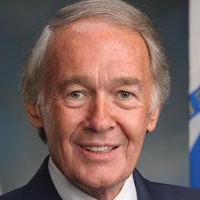
Edward "Ed" Markey
Senator
MA
The Good Jobs for Good Airports Act establishes federal minimum wage and fringe benefit standards for a wide range of service workers at small, medium, and large hub airports. By mandating that employers provide competitive compensation based on prevailing-wage methodologies, the bill aims to ensure fair pay for essential airport personnel. It also includes robust enforcement mechanisms, including monthly certification requirements and provisions for private civil actions to ensure compliance.
New 'Good Jobs for Good Airports' Act Mandates Prevailing Wages and Benefits for Thousands of Hub Workers
The Good Jobs for Good Airports Act is a major overhaul of how we pay the people who keep our travel hubs running. Instead of the standard federal minimum wage, this bill requires airport service workers at small, medium, and large hub airports to be paid at least the 'prevailing wage'—a higher rate typically reserved for federal contractors. It covers almost everyone you see at the terminal: the folks loading your bags, the crew cleaning the planes, security guards, ticketing agents, and even the staff at airport Starbucks or on-site hotels. Under Section 40133, these workers must receive the higher of either this federal prevailing wage or whatever their local or state minimum wage is, ensuring that airport pay keeps pace with the actual cost of living in busy metro areas.
More Than Just a Paycheck
This isn't just about the hourly rate; it’s a full-package deal. The bill mandates that employers provide fringe benefits—like health insurance or paid time off—that match the standards set by the Secretary of Labor under the Service Contract Act. For a ramp agent or a terminal cleaner, this could mean the difference between having employer-sponsored healthcare or paying out of pocket. To keep everyone honest, Section 2 requires employers to submit a monthly certification under penalty of perjury, proving they are actually paying these rates. If they don't, the Department of Transportation can slap them with civil penalties up to three times the standard amount, and workers gain the right to sue their employers directly in federal court to recover unpaid wages.
The Cost of Doing Business
While this is a massive win for the workforce, it changes the math for the companies operating inside the airport. If you’re a small business owner running a newsstand or a local cafe in the terminal, your labor costs are likely going up. The bill applies to any 'covered employer' engaged in commerce at the airport, meaning service providers and contractors will have to adjust their budgets annually as the Secretary of Labor updates the wage determinations. For the average traveler, this might eventually show up in the price of a terminal sandwich or a checked bag fee, as airlines and vendors look to offset the higher cost of airport operations.
Closing the Loophole
One of the most practical parts of this bill is how it handles different jurisdictions. It explicitly states that it won't override any city or state that wants to set even higher standards. So, if you work at an airport in a city with a high cost of living that already mandates $20 an hour, this law won't pull you down to a lower federal level. It also cuts through the 'contractor shuffle' by applying to workers regardless of whether they work directly for the airport or for a third-party subcontractor. By integrating these rules into the Fair Labor Standards Act, the bill treats unpaid benefits the same as unpaid wages, giving the Department of Labor serious teeth to go after companies that try to skimp on the new requirements.