The Water Emergency and Technical Assistance Act of 2026 authorizes increased funding and technical support for EPA emergency responses to drinking water and wastewater crises while establishing new economic feasibility criteria for federal intervention.
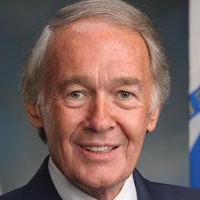
Edward "Ed" Markey
Senator
MA
The Water Emergency and Technical Assistance Act of 2026 enhances the EPA’s capacity to address public health threats by increasing funding for drinking water emergencies and establishing a new grant program for clean water treatment works. The bill also introduces economic feasibility criteria to ensure federal intervention is prioritized for situations where local ratepayers cannot reasonably bear the costs of necessary repairs. These measures authorize $100 million in annual funding from 2027 through 2031 to support critical water infrastructure resilience.
Water Emergency Act of 2026 Authorizes $100M for Crisis Response While Tightening Federal Intervention Rules
The Water Emergency and Technical Assistance Act of 2026 is a double-edged sword for how the government handles local water crises. On one hand, it significantly boosts the financial firepower available for emergencies, raising the annual drinking water response budget from $35 million to $50 million and creating a brand new $50 million annual fund for clean water emergencies like sewer overflows. However, it also introduces a new gatekeeping rule: the EPA is now barred from stepping in if the Administrator decides that the cost of fixing the problem is "economically feasible" for the local ratepayers to handle themselves. In plain English, if the government thinks your local water bill can handle the hike, you might be on your own.
The Cost of Stepping In
Under Section 101, the bill updates the Safe Drinking Water Act with a provision that could change how your town handles a contamination scare. Currently, the EPA stays out of it if a local agency or the polluter is already fixing the mess. This bill adds a financial layer to that restraint. If the EPA Administrator determines that the necessary emergency action is something the local residents can reasonably afford through their water rates, the federal government is legally prohibited from intervening. For a family in a middle-class suburb, this could mean that instead of federal aid arriving to flush a system or provide bottled water, the cost is simply tacked onto your monthly utility bill. The bill doesn't define exactly what "economically feasible" means, leaving a lot of power in the hands of one official to decide who gets help and who gets a bill.
A Lifeline for Aging Sewers
Title II of the bill shifts focus to "Clean Water," specifically targeting the messy reality of sewer overflows. Section 201 authorizes $50 million a year through 2031 for grants and technical help to fix treatment plants during public health emergencies. This is a potential win for cities with aging pipes that burst during heavy rains, spilling waste into local waterways. However, the same "affordability" logic applies here too. A local treatment plant can only get this grant money if the EPA decides the project wouldn't happen otherwise because it’s too expensive for the local ratepayers. If you live in a city that’s already struggling with infrastructure, this could be the difference between a fixed sewer system and a permanent public health hazard, provided the EPA agrees your wallet is truly empty.
The Bottom Line for Your Tap
While the bill puts more money on the table—a total of $100 million annually across both programs—it shifts the philosophy of federal aid. By emphasizing "ratepayer feasibility," the legislation moves away from a purely health-based response toward a budget-based one. For people living in communities with aging infrastructure, the concern is that they might fall into a "gray zone": not quite poor enough to trigger federal intervention, but not wealthy enough to easily absorb the massive costs of an emergency water fix. As this rolls out between 2027 and 2031, the real-world impact will depend entirely on how the EPA defines "affordable" when your water isn't safe to drink.