This bill expands access to opioid use disorder treatment by allowing qualified practitioners to prescribe methadone for pharmacy dispensing, while providing states the authority to opt out of the program.
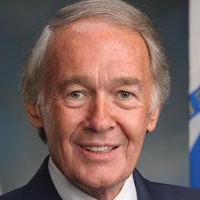
Edward "Ed" Markey
Senator
MA
The Modernizing Opioid Treatment Access Act 2.0 of 2026 expands access to methadone treatment by allowing qualified addiction specialists to prescribe the medication for pharmacy dispensing. This legislation creates a new, flexible pathway for patients to receive treatment, including via telemedicine, while providing states with the authority to opt out of the program. The bill aims to improve patient care by integrating methadone treatment into standard clinical and pharmacy settings.
New Opioid Access Bill Allows Local Pharmacies to Dispense Methadone via Electronic Prescriptions Starting in 2026.
The Modernizing Opioid Treatment Access Act 2.0 aims to overhaul how patients receive methadone for opioid use disorder. Currently, most people have to visit specialized, often crowded treatment centers to get their medication. This bill changes the game by allowing board-certified addiction specialists and psychiatrists to write electronic prescriptions for methadone that you can pick up at a regular neighborhood pharmacy, just like any other medication. The goal is to integrate addiction care into the standard healthcare system, making it easier for someone working a 9-to-5 or living in a rural area to stay on their treatment plan without the logistical nightmare of daily clinic visits.
Prescription for Convenience
Under Section 2, the bill specifies that only certain high-level practitioners—like board-certified addiction doctors—can use this new pathway. These doctors can send electronic prescriptions for liquid or tablet methadone directly to your local pharmacist. For a construction worker who can't afford to spend two hours every morning at a clinic before hitting the job site, this could be a massive win for their schedule and their recovery. However, there is a catch: the Secretary of HHS has the power to decide who else is "otherwise qualified" to prescribe this, which is a bit vague. If the standards are too loose, we might see less experienced providers jumping in; if they're too tight, the convenience this bill promises might never actually reach the people who need it.
The Privacy Trade-Off
One of the most critical parts of this bill involves the fine print on your privacy. Section 2 requires doctors to get "informed consent" from patients because pharmacy records don't always have the same ultra-strict confidentiality protections as specialized addiction clinics. If you’re a teacher or a small business owner concerned about your medical history appearing in a general insurance database or being seen by a local pharmacist you know personally, this is a significant shift. The bill mandates that doctors explain these differences clearly, but in a busy medical office, there’s always a risk that these nuances get buried in a stack of paperwork.
A Map of Uneven Access
Perhaps the biggest hurdle is the "State Opt-Out" provision. Even if this bill passes, your access depends entirely on where you live. Any state can tell the Attorney General they don't want this program, and the federal government must then revoke the registrations of doctors in that state. This could create a confusing patchwork of care where a commuter in one state can stop by a CVS for their treatment, while someone just across the state line is still stuck driving an hour to a specialized center. Additionally, while the bill allows for telemedicine to help bridge the gap for those who can't travel, the effectiveness of that care will depend on how well local pharmacies and states actually cooperate with the new rules.