The EBOLA Act mandates that the United States rejoin the World Health Organization to coordinate an urgent international response to the Ebola outbreak in Central and Eastern Africa.
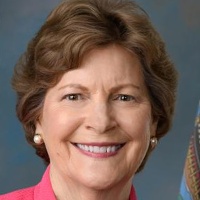
Jeanne Shaheen
Senator
NH
The EBOLA Act mandates that the United States rejoin the World Health Organization (WHO) within 30 days to restore international cooperation on public health. The legislation authorizes the necessary funding to resume membership and support global efforts to contain the ongoing Ebola outbreak in Central and Eastern Africa.
EBOLA Act Mandates U.S. Rejoin World Health Organization Within 30 Days to Combat Africa Outbreak
The Epidemic Barrier and Outbreak Leadership Act (EBOLA Act) requires the United States to reverse its recent withdrawal from the World Health Organization (WHO) and rejoin the international body within a strict 30-day window. This move is a direct response to the 2026 Ebola outbreak in Central and Eastern Africa, which has already surpassed 1,000 cases. By re-establishing membership, the bill aims to plug the U.S. back into global disease surveillance networks and coordinate a faster response to prevent the virus from reaching American soil. Under Section 3, the President and Secretary of State must immediately begin working with the WHO to manage the current epidemic, treating the outbreak as a direct threat to national security and the domestic economy.
Back in the Global Health Loop
Restoring our seat at the table means the U.S. will once again pay its assessed contributions and financial obligations to the WHO, as outlined in Section 4. For the average person, this isn't just about international diplomacy; it’s about early warning systems. When we are part of the WHO, our public health officials get real-time access to data on how viruses are mutating and spreading before they hit our airports. Think of it like a global neighborhood watch for germs—the bill recognizes that infectious diseases don't care about borders, and being outside the communication loop makes it harder to protect local communities from a repeat of past pandemic disruptions.
Funding the Front Lines
The legislation doesn't just pay past dues; it authorizes new funding specifically for the Ebola response in Africa. According to Section 4, this money will go toward voluntary contributions and programmatic support for the WHO and other United Nations entities. This is a "firewall" strategy: by spending money to help contain the virus at its source in Central and Eastern Africa, the goal is to prevent the high costs and health risks associated with a global transmission. For workers in travel-heavy industries or healthcare, this proactive funding is designed to reduce the likelihood of the virus triggering domestic lockdowns or emergency protocols.
Accountability and Implementation
Because the bill sets a firm 30-day deadline for rejoining, the rollout is expected to be fast and high-priority. The findings in Section 2 highlight that current models show this outbreak could potentially exceed the 11,000 deaths seen during the 2014-2016 crisis if left unchecked. By explicitly linking U.S. participation to the protection of American health, the bill frames the WHO not just as a foreign aid recipient, but as a critical partner in domestic safety. The main challenge will be the rapid administrative coordination required between the White House and the Secretary of State to meet the one-month timeline and restore full membership status.