The State Firearms Dealer Licensing Enhancement Act establishes a federal grant program to support states and Indian tribes in developing and improving their own mandatory firearms dealer licensing and inspection systems.
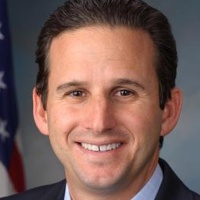
Brian Schatz
Senator
HI
The State Firearms Dealer Licensing Enhancement Act establishes a competitive grant program to assist states and Indian tribes in developing or improving their own firearms dealer licensing systems. To qualify for funding, jurisdictions must implement rigorous licensing requirements, including mandatory dealer inspections and clear enforcement protocols for violations. The Act also mandates annual reporting to ensure transparency and accountability regarding the effectiveness of these licensing programs.
New Federal Grant Program Offers States Up to $2.5 Million to Tighten Firearms Dealer Licensing and Oversight
The State Firearms Dealer Licensing Enhancement Act creates a new competitive grant program designed to put more teeth into how states and tribes oversee gun shops. Under this bill, the Attorney General will hand out annual grants of up to $2.5 million to states and Indian tribes that implement their own licensing systems for firearms dealers. Instead of just relying on federal oversight, this bill encourages local authorities to build their own layers of accountability, provided they meet a specific set of federal standards. To get a piece of this funding, a state or tribe must require dealers to hold both a federal and a local license, and they must have the legal power to suspend or revoke those licenses if a dealer breaks the rules.
Raising the Bar for Local Licensing
For a state to qualify for these funds, their licensing laws can’t just be a formality. The bill requires that state or tribal licenses last no more than three years, ensuring that dealers have to check back in with regulators regularly rather than flying under the radar for a decade. It also mandates dealer inspections—meaning someone actually has to walk into the shop to verify the books and inventory are in order. For a local gun shop owner, this might mean more frequent visits from state inspectors, while for a community, it ensures that the business down the street is being held to a consistent standard. The bill also allows states to pass some of this grant money down to local government units, like a county sheriff’s office or a municipal licensing board, to help them handle the boots-on-the-ground work of enforcement.
Transparency and the Paper Trail
This isn't just a 'blank check' program; it comes with significant homework for the states involved. Every year, grant recipients have to file a detailed report with the Attorney General. These reports must disclose exactly how many inspections were done, what kinds of violations were found, and how many licenses were pulled or suspended. This data then flows up to Congress in a public report, giving everyone a clear look at which states are actually using the money to tighten up their systems and which might be lagging. For the average citizen, this means a lot more data will be available regarding how many gun dealers are operating in their area and how well they are following the law.
Implementation and Accountability
The bill authorizes 'whatever sums are necessary' to keep the program running, though individual grants are capped at $2.5 million per year. Once Congress sets aside the cash, the Attorney General has a 180-day window to start getting the money out the door. While the bill is clear about what states need to do to get the money, the real-world impact will depend on how states choose to spend it—whether they invest in sophisticated digital tracking systems or simply hire more inspectors to hit the pavement. Because the bill requires the Attorney General to publicly list which states were denied funding and why, there is a built-in mechanism to see which local governments are failing to meet these new, stricter oversight standards.