The Right Start Child Care and Education Act of 2026 establishes a three-year federal tax credit for qualified child care professionals based on their level of early childhood education.
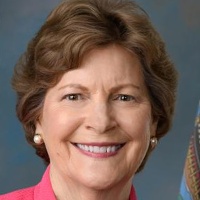
Jeanne Shaheen
Senator
NH
The Right Start Child Care and Education Act of 2026 establishes a new federal tax credit for qualified early childhood educators working in licensed child care facilities. Eligible professionals can receive up to $4,500 annually for three years, depending on their level of education or certification. This initiative aims to support and retain skilled child care providers by incentivizing professional credentials in the field.
Child Care Workers to Receive Up to $4,500 Annual Tax Credit Starting in 2027
The Right Start Child Care and Education Act of 2026 introduces a targeted tax break for the people teaching and caring for the next generation. Starting in the 2027 tax year, qualified child care professionals can claim a new federal tax credit (Section 36C) worth between $1,500 and $4,500 annually. This isn't a permanent salary bump, but rather a three-year financial boost designed to reward those who have put in the time to earn specialized degrees and credentials in early childhood education.
The Education Payday
Your specific degree determines how much extra cash stays in your pocket. If you have a bachelor’s degree in early childhood education or a related field, you’re looking at a $4,500 annual credit. Those with an associate’s degree qualify for $3,000, while providers with other recognized credentials, like a Child Development Associate (CDA), can claim $1,500. For a lead teacher at a local preschool who is currently paying off student loans, this credit could effectively cover several months of those payments or a significant chunk of rent.
Clocking the Hours
To get the credit, you have to be a full-time fixture in the classroom. The bill requires at least 1,200 hours of service during the year—which averages out to about 24 hours a week over 50 weeks. You also need to be working in a licensed facility. If you’re a home-based provider, you can still qualify as long as your business is licensed and your own kids don't make up more than 25% of the children in your care. It’s a move that ties the financial benefit directly to professional, regulated environments rather than informal babysitting.
The Three-Year Cap
There is a notable catch: this isn't a lifelong benefit. The legislation limits the credit to a total of three taxable years per person. You don’t have to use them consecutively, but once you’ve claimed it three times, the well runs dry. This structure suggests the bill is aimed at helping newer teachers find their footing or encouraging existing staff to stay in the field just a bit longer during a period where child care worker retention is a major national challenge. For parents, this could mean seeing the same familiar, qualified faces at the drop-off window for a few more years.