The AI Labeling Act of 2026 mandates clear, machine-readable disclosures for AI-generated content and establishes enforcement mechanisms to prevent deceptive practices and the unauthorized removal of provenance information.
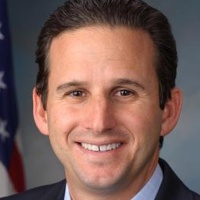
Brian Schatz
Senator
HI
The AI Labeling Act of 2026 mandates that providers of generative AI systems and major online platforms clearly label AI-generated digital content with both human-readable and machine-readable disclosures. The bill establishes strict prohibitions against tampering with these labels or creating tools designed to circumvent them, with enforcement overseen by the Federal Trade Commission and the Attorney General. Additionally, it creates a specialized working group to develop technical standards for content provenance and transparency to help consumers distinguish between AI-generated and authentic media.
AI Labeling Act of 2026: Mandatory Disclosures for Digital Content and New Penalties for 'Fake' Media Launching Soon.
The AI Labeling Act of 2026 is a major attempt to draw a line between what’s human and what’s machine. At its core, the bill requires anyone building generative AI—the tech that makes images, videos, or audio—to bake a clear disclosure into the content itself. This isn't just a visible watermark; it also requires a 'machine-readable' digital fingerprint that tracks which system made the content and when. If you’re scrolling through a social media feed with over 10 million users, those platforms are now legally obligated to show you these labels and are strictly forbidden from stripping them away. Even those AI chatbots you talk to for customer service or fun will have to explicitly announce themselves as bots right out of the gate.
The Digital Paper Trail
Under Section 2, AI providers have to ensure their creations are 'detectable' by common tools without making you pay a premium to find out if a photo is real. Think of it like a nutrition label for your media; if a startup founder uses an AI tool to create a promotional video, that video must carry metadata that stays with it, even if it’s shared from one platform to another. For the average person, this means less second-guessing whether that viral clip of a politician or a celebrity is a deepfake. However, there’s a catch: the bill uses terms like 'substantially modified' and 'materially alters' to decide what needs a label (SEC. 8). If you’re just using AI to touch up the lighting on a family photo, you’re likely in the clear, but if the AI changes the meaning of the image—like putting someone at a scene they never visited—the law kicks in. This 'middle ground' of vagueness means we’ll likely see some trial and error in how companies decide what counts as a 'material' change.
Accountability and the 'Liar’s Dividend'
The bill takes a hard line against bad actors who try to game the system. Section 3 makes it illegal to purposely remove these AI labels or, conversely, to slap an 'AI-generated' label on a real video just to make people doubt it—a tactic the bill calls the 'liar’s dividend.' If a company or individual is caught facilitating this kind of deception for profit, they could face statutory damages up to $2,500 per act or a flat $25,000 per violation (SEC. 4). For a small business owner or a content creator, this adds a layer of protection against people stealing and misrepresenting their work, but it also means platforms like X (formerly Twitter) or Meta have to invest heavily in 'detection tools' to avoid being on the hook for hosting unlabeled AI content.
Implementation Hurdles and Hidden Costs
While the goal is transparency, the rollout won't be instant or free. A new 'AI-Generated Content Consumer Transparency Working Group' (SEC. 7) has one year to figure out the actual technical standards—basically, the 'how-to' guide for every tech company in the country. For the 25-45 demographic—many of whom run small businesses or work in digital marketing—this could mean new compliance costs or software updates to ensure the content they produce meets these federal standards. There are sensible carve-outs for internal R&D and 'good-faith' security researchers who are trying to break these labels to make them stronger, but for the most part, if it’s public-facing and AI-made, it’s going to have a tag on it. The big question remains whether the FTC can keep up with how fast AI evolves, or if the 'technically and economically feasible' loophole will let some companies slide on the tougher requirements.