The Milk From Family Dairies Act of 2026 establishes a national dairy market stabilization program to manage milk production and pricing while providing infrastructure and training support for small-scale dairy producers.
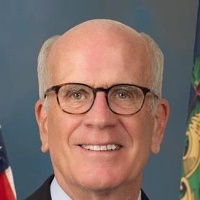
Peter Welch
Senator
VT
The Milk From Family Dairies Act of 2026 establishes a national Dairy Market Stabilization Program to manage milk production through supply limits, floor prices, and fees for overproduction. The bill aims to support small-scale producers by implementing stricter dairy import controls, monitoring market consolidation, and funding regional infrastructure and training initiatives. These measures are designed to align domestic supply with demand while strengthening the economic viability of independent dairy farms.
New Dairy Act Caps Milk Production to Boost Farm Prices: National Quotas and Overproduction Fees Launch in 2026.
The Milk From Family Dairies Act of 2026 is a massive overhaul of how milk gets from the farm to your fridge, aiming to stop the 'boom and bust' cycle that has crushed small farms for decades. At its core, the bill creates a Dairy Market Stabilization Program that sets a 'national production base'—essentially a limit on how much milk the country should produce to keep prices steady. Starting in 2026, every commercial dairy farmer (except organic ones) will be assigned a specific amount of milk they are allowed to sell each quarter. If a farmer stays within their limit, they might get a 'dividend' check; if they go over, they have to pay a market access fee that is specifically designed to be higher than the profit they made on that extra milk. It is a 'supply management' system that tries to ensure farmers get a fair floor price by making sure the market isn't flooded with more milk than people are actually drinking.
The Quota System and Your Local Dairy
For a family running a mid-sized dairy in the Midwest, this bill changes the daily math of their business. Under Section 3, their 'allowable milk marketings' are based on their previous three years of production. If they want to expand their herd, they can’t just buy more cows and hope for the best; they have to acquire 'allowable marketings' from someone else, but the bill strictly prohibits selling or trading these limits for a profit to prevent Wall Street-style speculation. While this protects against price crashes, it also means a young farmer looking to start out has to wait for the Secretary of Agriculture to release new production space, with priority given to those who haven't marketed milk before. This effectively treats milk production like a limited utility rather than a free-for-all market.
Winners, Losers, and the Organic Exception
The bill isn't a win for everyone across the board. If you’re a fan of organic milk, you should know that certified organic operations are explicitly excluded from this program under Section 3. While they won't have to pay overproduction fees, they also won't see the guaranteed floor prices or the dividend checks, which could create a weird price gap between the organic and 'regular' milk aisles. Meanwhile, the biggest industrial dairies—those producing 1,000% more than the national average—get a two-year 'grace period' where they aren't hit with fees, but the government will essentially offer them 'buyouts' to downsize. For the average consumer, the bill also cracks down on imports by raising license fees to the max and cutting import quotas, which aims to protect American farmers but could lead to higher prices for imported cheeses and specialty dairy products.
Building the Local Milkshed
Beyond the production limits, the bill puts a heavy emphasis on keeping things local through the 'Regional Dairy Infrastructure' reforms in Section 6. It authorizes $50 million a year to help build new processing plants that serve multiple small farms and sets up apprenticeship programs for farmworkers who want to eventually own their own dairies. This is a big deal for rural economies where the local creamery might have closed years ago; the goal is to fund 'on-farm' processing and storage so a farmer can bottle their own milk or make cheese rather than being at the mercy of a single massive corporate buyer. However, to pay for this new system, the bill kills off existing safety nets like Dairy Margin Coverage and Dairy Revenue Protection, meaning farmers are essentially trading their current insurance for this new, state-managed price stability.