This bill establishes a voluntary, federally supported certification program to enhance biosecurity, disease surveillance, and emergency preparedness within the U.S. swine industry.
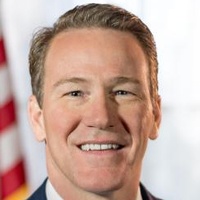
Jon Husted
Senator
OH
The U.S. Swine Health Improvement Plan Act of 2026 establishes a voluntary certification program to enhance biosecurity, disease surveillance, and emergency preparedness across the swine industry. The bill mandates the creation of a federal advisory committee and directs the Secretary of Agriculture to finalize program regulations within one year. It further authorizes $4.5 million in annual funding through 2031 to support these national health and traceability efforts.
U.S. Swine Health Improvement Plan Act Proposes $4.5 Million Annual Investment to Shield Pork Industry from Disease Outbreaks
The U.S. Swine Health Improvement Plan Act of 2026 sets up a voluntary national certification program designed to act as a defensive shield for the American pork industry. By amending the Animal Health Protection Act, the bill focuses on four pillars: tightening biosecurity, improving animal traceability, ramping up disease surveillance, and prepping for foreign animal disease threats. To get the gears turning, the legislation authorizes $4.5 million in annual funding from 2027 through 2031, ensuring the program has the financial teeth to move beyond just being a good idea on paper.
Safeguarding the Supply Chain
For a hog farmer in Iowa or a small-scale producer in North Carolina, this bill is about protecting their livelihood from the kind of catastrophic disease outbreaks that can shut down export markets overnight. The program is voluntary, meaning producers can choose to get certified by meeting specific standards in biosecurity and traceability. Think of it like a 'TSA PreCheck' for pigs; those who opt-in and meet the requirements help create a more transparent and secure system. If a disease is detected, the improved traceability requirements mentioned in Section 2 mean officials can pinpoint the source faster, potentially preventing a local issue from becoming a national supply chain crisis that spikes prices at your local grocery store.
Expert Guidance and the One-Year Clock
The bill doesn't leave the details to chance. It requires the Secretary of Agriculture to appoint a federal advisory committee to handle the nitty-gritty of program administration. This is a win for common sense, as it ensures people with actual dirt under their fingernails and veterinary expertise are advising on how the rules should work. There is also a hard deadline: the USDA has just one year from the date the bill is signed to finalize the plan and the committee. By referencing existing regulatory comments from the Federal Register, the bill essentially tells the government to stop stalling and use the feedback they already have to get the program live.
Long-Term Costs and Practical Hurdles
While the $4.5 million annual price tag is relatively modest in federal budget terms, the real-world success of the plan depends on industry buy-in. Because it is a voluntary certification, the impact hinges on whether the USDA makes the certification process streamlined or a bureaucratic nightmare. For office workers and consumers, the benefit is indirect but vital—it’s an insurance policy against the kind of mass culls and market volatility that happen when animal diseases go unchecked. The challenge will be ensuring that the 'foreign animal disease preparedness' protocols are robust enough to handle high-stakes threats while remaining practical for farmers who are already balancing rising feed and fuel costs.