This Act establishes dedicated subaccounts within the Indian Water Rights Settlement Completion Fund to provide mandatory, long-term funding for the fulfillment of federal water rights settlement obligations to Tribal nations.
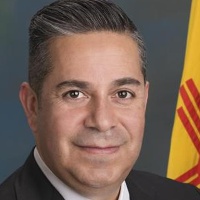
Ben Luján
Senator
NM
The Protecting Indian Water Rights Settlements Act of 2026 establishes a dedicated funding mechanism to ensure the federal government meets its financial obligations under congressionally approved Indian water rights settlements. By creating two specialized subaccounts within the Indian Water Rights Settlement Completion Fund, the bill provides a reliable, multi-year stream of funding for both ongoing operations and maintenance costs and the fulfillment of new settlement agreements. This legislation streamlines the distribution of resources to Tribal nations, ensuring that critical water infrastructure and settlement commitments are met without the need for annual congressional appropriations.
Indian Water Rights Act Secures $2.9 Billion for Tribal Infrastructure and Settlement Obligations Through 2035
This bill establishes a reliable financial pipeline to fulfill long-standing federal promises regarding water rights for Native American communities. By creating two dedicated subaccounts within the Indian Water Rights Settlement Completion Fund, the legislation bypasses the usual yearly scramble for congressional approval, instead mandating automatic annual deposits from the Treasury starting in 2026. This move is designed to ensure that when the government signs a water settlement with a Tribe, the money to actually build the pipes and maintain the pumps is actually there.
Keeping the Water Flowing
The first part of the plan focuses on the 'Operations, Maintenance, Repair, and Ongoing Obligations' subaccount. Starting October 1, 2026, the Treasury will drop $45 million into this bucket every year through 2035. This isn't for new projects; it’s the 'keep the lights on' fund for existing infrastructure. For example, if you’re part of the Ak-Chin Indian Community or live near the Animas-La Plata Project, this money covers the literal nuts and bolts of water delivery. It ensures that the infrastructure doesn't fall into disrepair, which is a common headache for any utility user who has ever dealt with a broken main or a failing treatment plant.
Clearing the Backlog
The second, larger piece of the bill creates the 'New and Continuing Settlements' subaccount, which gets a much heavier lift of $250 million annually. This is the 'get it done' fund. For a busy person, think of this as a dedicated savings account for a major home renovation that the government has already agreed to pay for but hasn't fully funded yet. The Secretary of the Interior is given the green light to move this money into Tribal trust funds or other accounts to satisfy settlement obligations as quickly as possible. This is intended to stop the decades-long delays that often leave Tribal communities with legal rights to water on paper, but no actual infrastructure to turn on the tap.
Power in the Fine Print
While the bill provides a massive influx of cash—nearly $3 billion over a decade—it grants significant power to the Secretary of the Interior. Under Section 2, the Secretary has 'full discretion' over which settlements get paid first and how the money is sequenced. For Tribes waiting on funding, this means their progress depends heavily on administrative priorities. However, for the average taxpayer or resident in these regions, the bill aims for a more efficient system: by funding these settlements now, the government avoids the compounding costs of litigation and the rising price of construction that comes with kicking the can down the road.