This bill amends Internal Revenue Code grant requirements to provide Low-Income Taxpayer Clinics with more flexible matching fund rules to help expand taxpayer outreach and support.
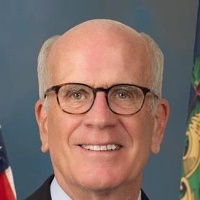
Peter Welch
Senator
VT
The Unlocking Low-Income Taxpayer Clinic Funding Act modernizes grant requirements for Low-Income Taxpayer Clinics (LITCs) to improve their reach and operational flexibility. The bill allows the Treasury to adjust matching fund percentages and clarifies that qualifying contributions include direct costs like staff salaries and equipment. These changes aim to reduce administrative barriers and better support clinics in providing essential tax assistance to underserved taxpayers.
New Tax Clinic Bill Lowers Funding Barriers: 100% Match Requirement Gets a Flexible Makeover
Low-Income Taxpayer Clinics (LITCs) are the legal lifelines for people who can’t afford a high-priced CPA when the IRS comes knocking. Currently, these clinics are often stuck in a 'dollar-for-dollar' matching trap, where they have to raise one private dollar for every federal grant dollar they receive. The Unlocking Low-Income Taxpayer Clinic Funding Act changes the game by amending Section 7526 of the Internal Revenue Code to allow the Secretary of the Treasury to drop that matching requirement below 100 percent. This shift is designed to ensure clinics in lower-income or rural areas—where fundraising is notoriously difficult—don't lose out on federal support just because they can't find a local donor to match the pot.
More Help, Less Red Tape
Under the new rules, the 'applicable percentage' for matching funds defaults to 100 percent but gives the Treasury the green light to lower it if a clinic can prove the reduction helps them reach more taxpayers. For a small-town legal aid office or a university-run clinic, this could mean the difference between hiring a part-time staffer or closing their doors. The bill also gets specific about what counts as 'skin in the game.' Clinics can now officially count the salaries of their staff and the cost of essential equipment toward their match. By focusing on these direct costs, the legislation ensures that the money is going toward actual advocacy and technology rather than getting lost in the shuffle of institutional accounting.
The Overhead Trade-Off
There is a specific catch in the fine print: indirect expenses are officially off the table for matching purposes. This means a clinic hosted by a large university or a massive non-profit can no longer count a portion of the building’s electricity bill or the HR department’s salary as part of their required match. While this keeps the focus on direct taxpayer service, it might create a bit of a scramble for clinics that previously relied on 'overhead' to hit their funding targets. They’ll need to ensure their match comes from tangible assets like the computers used to file appeals or the actual paychecks of the lawyers and students doing the work.
Real-World Impact on the Ground
Imagine a gig worker who received a confusing 1099 and now faces an audit they can’t navigate alone. In the past, a local clinic might have had to turn them away because they lacked the private funding to unlock their full federal grant. With this bill, that clinic could potentially operate with a lower match, keeping their doors open for that worker. By prioritizing 'people and tools' over 'buildings and bills,' the legislation aims to put more boots on the ground to help regular folks resolve tax disputes without going broke in the process.