This bill exempts certain employees providing outdoor recreational outfitting or guiding services from federal minimum wage and overtime requirements.
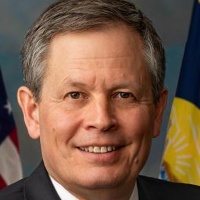
Steve Daines
Senator
MT
This bill, the Outdoor Recreational Outfitting and Guiding Act, proposes amending the Fair Labor Standards Act to exempt certain employees who primarily work in outdoor recreational outfitting or guiding services. This exemption would remove them from federal minimum wage and overtime pay requirements. The exemption applies only if the employer's main business is also providing these outdoor services.
New Outdoor Guiding Bill Proposes Removing Minimum Wage and Overtime Pay for Recreational Staff
The Outdoor Recreational Outfitting and Guiding Act aims to fundamentally change how labor laws apply to the people who lead your white-water rafting trips, rent you skis, or guide your backcountry hikes. By amending the Fair Labor Standards Act of 1938, this bill would officially exempt employees who primarily provide outfitting or guiding services from federal minimum wage and overtime requirements. This applies specifically to workers whose employers are also primarily in the business of outfitting or guiding, effectively carving out a significant portion of the outdoor industry from standard federal labor protections.
Off the Clock and Off the Pay Scale
Under this proposal, the traditional safety net of the $7.25 federal minimum wage and the requirement for time-and-a-half pay after 40 hours of work would vanish for specific outdoor workers. For a guide leading a multi-day trek or a shop hand managing a fleet of rental mountain bikes, this means their paycheck could legally drop below the federal floor regardless of how grueling the work is. Because guiding often involves long, irregular hours—think of a fishing guide prepping at 4:00 AM and cleaning gear at 8:00 PM—the removal of overtime pay (Section 2) could lead to significantly lower take-home pay for the same amount of physical labor. While this might lower operating costs for a local rafting company, it shifts the financial burden directly onto the seasonal workers and guides who keep the industry running.
The 'Primary Business' Gray Area
The bill introduces some tricky definitions that could lead to confusion on the job site. It grants this exemption based on whether an employee’s 'primary job' is outfitting and whether the employer’s 'primary business' is the same. In the real world, these lines are often blurry. Imagine a worker at a mountain resort who spends half their time guiding tours and the other half working in a retail shop or maintaining trails. Because the bill doesn't strictly define what percentage of time constitutes a 'primary' role, there is a real risk of misclassification. A business could potentially label various staff members as 'guides' to avoid paying overtime during the busy season, leaving workers with less leverage to contest their paychecks.
Balancing Business Costs and Worker Rights
From a business perspective, the logic here is about flexibility. Outdoor recreation is notoriously seasonal and weather-dependent; a heavy snowstorm or a dry river can shut down operations for weeks. Proponents might argue that exempting these roles from rigid federal wage laws allows small outfitters to stay afloat during lean times and offer more competitive pricing to tourists. However, for the 25-to-45-year-old worker trying to make a living in a high-cost mountain town, the loss of these protections is a heavy hit. By removing the floor for wages and the ceiling for hours, the bill forces a choice between the passion for the outdoors and the ability to earn a predictable, fair living.