This bill mandates hazard pay for federal wildland firefighters performing prescribed burns and smokejumper training, ensuring their compensation aligns with those fighting active wildfires.
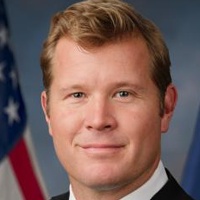
Tim Sheehy
Senator
MT
The Wildland Firefighter Hazard Pay Correction Act ensures federal firefighters receive fair compensation for the inherent risks of their profession. This bill mandates hazard pay for employees performing prescribed burns and smokejumper training, aligning their pay rates with those of firefighters engaged in active wildfire suppression.
Wildland Firefighter Hazard Pay Correction Act: Federal Crews to Receive Hazard Pay for Prescribed Burns and Smokejumper Training
The Wildland Firefighter Hazard Pay Correction Act moves to fix a long-standing gap in how we pay the people who manage our forests. Under this bill, federal employees who ignite, control, or suppress prescribed burns—intentional fires used to prevent larger disasters—would finally be eligible for hazard pay. It also extends this pay to smokejumpers during their training jumps. The bill mandates that these crews receive a pay differential equal to what firefighters get when they are on the front lines of an active wildfire, recognizing that the smoke and risks of a controlled burn are just as grueling as an unplanned one.
Closing the Pay Gap on the Fireline
Currently, there is a technical distinction in federal pay law (5 U.S.C. § 5545) that often leaves crews without hazard pay if the fire they are working on was started intentionally for land management. This bill effectively erases that distinction. For a wildland firefighter, this means whether they are battling a lightning-sparked blaze or conducting a strategic prescribed burn to protect a nearby town, their paycheck will reflect the same level of risk. The bill specifically defines a "prescribed burn" as the intentional application of fire to vegetation or rangeland for resource management, ensuring there is no confusion about which assignments qualify for the extra pay.
Impact on Smokejumpers and Training
For the elite smokejumpers who parachute into remote areas, the bill offers a significant change by classifying training jumps and aerial delivery operations as unusually hazardous work. This ensures that the preparation for the job is compensated at the same rate as the job itself. By aligning these rates, the legislation aims to provide more consistent income for those in highly specialized roles. The Office of Personnel Management is required to get the gears turning quickly, with a 90-day deadline to issue new regulations. This means affected workers could see these changes reflected in their pay periods roughly three months after the bill becomes law.
Real-World Stakes for Forest Management
This isn't just about a line item in a budget; it’s about the people who keep communities safe from catastrophic wildfires. By making prescribed burn work more financially viable for crews, the bill supports the very land management practices that experts say are necessary to reduce the intensity of fire seasons. For a federal firefighter juggling the rising costs of living while working an arduous job, this correction ensures that their specialized skills—and the physical toll of smoke exposure—are compensated fairly, regardless of how the fire started.