This Act amends USDA conservation programs to explicitly include Indian tribes and tribal lands in the identification of priority resource concerns.
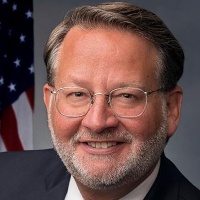
Gary Peters
Senator
MI
The Tribal Conservation Priorities Inclusion Act amends existing USDA conservation programs to explicitly include Indian tribes and tribal lands when identifying priority resource concerns. This legislation ensures tribal governments are consulted and their lands are recognized within key conservation initiatives like EQIP and CSP. The Act strengthens tribal involvement in federal conservation planning and resource management.
Tribal Conservation Priorities Inclusion Act Adds Tribal Governments to USDA Environmental Planning
The Tribal Conservation Priorities Inclusion Act updates the Food Security Act of 1985 to officially integrate Indian tribes into the decision-making process for federal conservation programs. By amending specific sections governing the Environmental Quality Incentives Program (EQIP) and the Conservation Stewardship Program (CSP), the bill mandates that tribal governments are consulted alongside federal, state, and local entities when identifying 'priority resource concerns.' This means that environmental issues specific to tribal lands—such as soil health, water quality, or wildlife habitat—will now be formally recognized when the USDA decides where to allocate funding and technical support.
A Seat at the Table
For years, tribal lands have often been navigated through a complex web of federal oversight that didn’t always prioritize the specific ecological needs of those communities. Under this bill, tribal governments gain a formal voice in designating what matters most for their own backyards. For a tribal rancher looking to improve grazing lands or a community trying to protect a local watershed, this change ensures that the programs designed to help them actually reflect their local environmental realities. By adding 'tribal' to the list of consulted entities in Section 1240K(b)(3), the legislation ensures that stewardship contracts are informed by those who know the land best.
Mapping Out Conservation
The bill also expands the scope of 'Critical Conservation Areas' to explicitly include tribal regions. In the past, these areas were often defined by state or local boundaries, which could leave tribal priorities in a bit of a legal gray area. By amending Section 1271F, the bill ensures that when the USDA looks at large-scale environmental challenges—like a multi-state drought or a regional pest issue—tribal lands are treated as essential pieces of the puzzle rather than afterthoughts. This isn't just about bureaucracy; it’s about making sure that federal conservation dollars are distributed in a way that covers the entire map, not just the parts managed by state governments.
Cleaning Up the Fine Print
Beyond the big-picture policy shifts, the bill handles some necessary 'housekeeping' by updating technical references. It replaces outdated citations from the Indian Self-Determination and Education Assistance Act to ensure the law remains functional and legally sound. While a citation update might sound like a snooze, it prevents the kind of administrative red tape that happens when government agencies use old maps or expired rules. For the people managing these programs on the ground, these updates provide the clarity needed to keep conservation projects moving forward without hitting legal snags.