This bill mandates the development of a U.S. strategy to support free and fair elections in Venezuela while imposing sanctions on individuals complicit in human rights violations there.
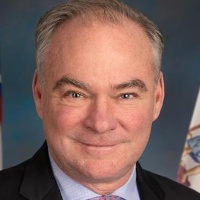
Timothy "Tim" Kaine
Senator
VA
This bill, the **Venezuela Democratic Transition Act**, directs the Secretary of State to develop a strategy supporting free and fair elections in Venezuela. It also mandates the imposition of sanctions, including asset blocking and visa restrictions, on Venezuelan individuals complicit in gross human rights violations. The legislation affirms U.S. support for Venezuela's democratic opposition and legitimate President-elect.
U.S. Targets 2026 Venezuela Election with New Sanctions and Diplomatic Roadmap
The Venezuela Democratic Transition Act is a comprehensive push to overhaul U.S. strategy toward Caracas, specifically aiming to facilitate a new, internationally recognized presidential election in 2026. The bill officially recognizes Edmundo González Urrutia as the legitimate President-elect following the disputed 2024 election and mandates the Secretary of State to update the 'Democratic Transition Framework.' This plan isn't just a memo; it requires monthly progress reports to Congress on everything from the status of political prisoners to the closing of torture centers and the monitoring of energy-related negotiations. For anyone following global energy markets or the humanitarian crisis, this bill signals a shift from reactive statements to a structured, benchmark-driven approach to Venezuelan diplomacy.
The Sanctions Playbook
To back up this diplomatic strategy, the bill requires the President to impose heavy sanctions on individuals determined to be complicit in gross human rights violations. This means blocking their property and freezing any assets that touch U.S. banks or involve 'United States persons'—which includes U.S. citizens and businesses (Section 5). Additionally, these individuals would be barred from entering the U.S. entirely. If you’re a business owner or work in international finance, this adds a layer of due diligence; the bill targets anyone 'complicit' in abuses, a term that gives the executive branch significant room to decide who gets hit with a travel ban or a frozen bank account.
Humanitarian Guardrails and Loopholes
Recognizing that broad sanctions can often hurt the very people they are meant to help, the bill carves out specific protections for essentials. Section 5 explicitly protects the trade of agricultural commodities, food, medicine, and medical devices. This ensures that while the U.S. squeezes regime officials, a shipment of insulin or corn shouldn't be blocked at the border. However, the bill also gives the President a 'national security' waiver. This is a common but powerful tool that allows the administration to bypass sanctions if they decide it’s in the U.S. interest—for example, if a sudden need for Venezuelan oil outweighed the desire to punish a specific official.
The Road to 2026
The bill sets a high bar for lifting these pressures, requiring the Secretary of State and the Treasury to certify that a full democratic transition has actually occurred before the sanctions are fully waived. For the average person, this means U.S.-Venezuela relations are likely to remain in a state of high tension and heavy regulation for at least the next two years. The focus on the 2026 election cycle creates a clear deadline for the State Department to show results, but the success of the plan depends heavily on whether international allies join in on the sanctions and whether the military in Venezuela chooses to respect the proposed benchmarks.