This act mandates that most private health plans cover the first three primary care visits and the first three behavioral health care visits each year with no out-of-pocket cost to the patient.
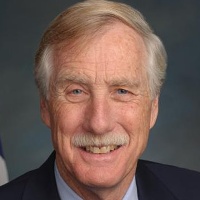
Angus King
Senator
ME
The Primary and Behavioral Health Care Access Act of 2026 mandates that most private health plans must cover the first three primary care visits and the first three behavioral health care visits each year with absolutely no cost-sharing for the patient. This ensures immediate, no-cost access to essential routine and mental health services. The bill also prohibits plans from imposing discriminatory limits or payment cuts on these covered visits.
New Health Act Mandates Six No-Cost Medical and Mental Health Visits Annually Starting in 2028.
The Primary and Behavioral Health Care Access Act of 2026 aims to eliminate the financial wall between you and your doctor. Under this bill, most private health insurance plans must cover your first three primary care visits and your first three behavioral health visits every single year with zero out-of-pocket costs. That means no $30 copays at the front desk, no coinsurance percentages, and no waiting to hit your $3,000 deductible before the insurance kicks in for these specific appointments. Whether you are an office worker dealing with burnout or a tradesperson needing a check-up for a nagging injury, these six total visits are treated as fully covered essential services.
Your First Six Are on the House
The bill explicitly updates the rules for group and individual health plans to ensure that 'cost-sharing'—the jargon for your deductible, copay, and coinsurance—cannot be applied to these visits (Section 2). For primary care, this covers visits to family physicians, internists, OB-GYNs, pediatricians, and even physician assistants. On the behavioral health side, the definition is broad, including everything from psychiatrists and psychologists to social workers and marriage therapists. For example, a parent could take their child to the pediatrician three times for wellness checks and see a mental health counselor three times for anxiety support in the same year without seeing a single bill for those sessions.
No Red Tape or Pay Cuts
To make sure insurance companies don’t try to find a workaround, the legislation includes 'anti-discrimination' protections. Plans are prohibited from putting stricter 'prior authorization' requirements or visit limits on these free sessions than they do on standard paid visits. Additionally, the bill mandates that insurance companies must pay the doctors their full standard rates for these visits. This is a crucial detail because it ensures your local clinic won't stop accepting your insurance just because the visit is free for you; the doctor still gets paid their usual fee by the insurance company.
The Fine Print for HSA Users and the Timeline
If you use a High-Deductible Health Plan (HDHP) with a Health Savings Account (HSA), you might usually worry that 'free' care before the deductible is met ruins your tax status. This bill specifically amends the Internal Revenue Code to ensure that these six no-cost visits do not disqualify you from contributing to your HSA. While the bill is titled '2026,' it provides a two-year runway for insurance companies to update their systems. This means the changes would officially hit your plan during the first enrollment period starting two years after the bill is signed into law, giving the healthcare industry time to adjust to the new math of no-cost access.