This act expands support and research for multigenerational activities and civic engagement projects under the Older Americans Act.
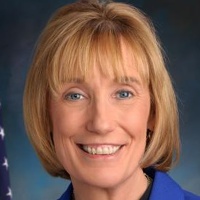
Margaret "Maggie" Hassan
Senator
NH
The Multigenerational Care and Support Act updates existing law to expand demonstration, support, and research projects focused on multigenerational activities. This legislation broadens the scope of eligible mentoring opportunities and facilities where these programs can take place, ensuring support for activities that benefit both younger and older individuals. It also modifies reporting requirements for evaluations of these federally supported projects.
Multigenerational Care Act Expands Youth Mentoring and Senior Center Activities Across Residential Facilities
The Multigenerational Care and Support Act is making a play to bridge the gap between our youngest and oldest generations by overhauling how the government funds community connection. By amending Section 417 of the Older Americans Act, the bill broadens the scope of 'multigenerational activities' to ensure that federal grants support projects where seniors and kids aren't just in the same room, but are actively engaged in mentoring and civic life. It specifically targets the expansion of these programs into senior centers and long-term care facilities, moving beyond traditional family support to create social hubs where different age groups can interact daily.
Bridging the Generation Gap
This legislation changes the ground rules for what counts as a funded project. Previously, mentoring might have been limited to specific youth-focused settings, but this bill expands those opportunities to include residential facilities and senior centers. For a retiree living in a long-term care facility, this could mean new, structured programs where they mentor local students on-site. For a busy parent, it might look like an after-school program hosted at a local multipurpose senior center, providing their child with unique guidance while helping a senior stay connected to the community. By broadening the definition of eligible locations, the bill acknowledges that meaningful connection can happen wherever people live and gather.
Modernizing the Paperwork
The bill also cleans up the bureaucratic side of things to ensure these programs are actually working. It reroutes evaluation reports from the general leadership of the House and Senate directly to the committees that handle health, education, and labor. This move is designed to put data in the hands of the people who actually write the checks and oversee the policy. It also resets the clock for evaluating these projects, tying the next big review to the date the first new grant is awarded under this Act. This ensures that the effectiveness of these expanded programs is measured against modern standards rather than outdated benchmarks from years ago.
Who Stands to Gain
The primary beneficiaries are the bookends of our population: kids who need mentors and seniors who want to remain active participants in society. However, the impact reaches further into the professional world. Administrators at long-term care facilities and senior centers will have a clearer path to securing funding for intergenerational programming that was previously harder to categorize. By removing outdated project categories and updating cross-references, the bill simplifies the application process for community organizations, potentially leading to a wider variety of social services available in local neighborhoods.