This bill establishes dedicated Treasury subaccounts to fund ongoing operations and new settlements for authorized Indian water rights agreements.
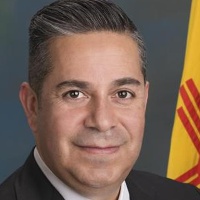
Ben Luján
Senator
NM
The Protecting Indian Water Rights Settlements Act of 2026 amends the Infrastructure Investment and Jobs Act to establish two dedicated subaccounts within the Indian Water Rights Settlement Completion Fund. These subaccounts will receive annual mandatory funding from the Treasury through 2035 to cover ongoing obligations and support new or continuing water rights settlements. This legislation aims to ensure consistent funding for the U.S. obligations under various authorized Indian water rights agreements.
New Water Rights Act Guarantees $2.9 Billion for Tribal Infrastructure and Maintenance through 2035
The federal government is moving to settle its long-standing tabs on tribal water rights by creating two dedicated 'savings accounts' aimed at infrastructure and legal obligations. Starting October 1, 2026, the Protecting Indian Water Rights Settlements Act will funnel nearly $300 million annually from the Treasury into these subaccounts. This isn't just a one-time gesture; the bill locks in this funding every year through 2035, ensuring that money for clean water and irrigation projects doesn't get caught up in the usual yearly budget brawls in D.C. By bypassing the need for annual congressional approval, the bill provides a steady stream of cash to keep existing water systems running and to get new tribal water agreements off the ground.
Keeping the Taps Flowing
One major part of this bill, the Operations, Maintenance, and Repair subaccount, is essentially a dedicated repair fund for existing water projects. It sets aside $45 million a year specifically for the 'unsexy' but vital side of infrastructure—the upkeep. Think of it like a homeowner setting aside money for a new roof before it leaks; it covers the day-to-day costs of delivering water for communities like the Ak-Chin Indian Community and the Animas-La Plata Project. For a farmer in these regions or a small business owner relying on local utilities, this means more reliable water delivery and fewer surprise system failures because the funding for maintenance is guaranteed by law (Section 2) rather than left to chance.
Building for the Future
The heavy lifting happens in the New and Continuing Settlements subaccount, which will receive $250 million annually. This money is earmarked to help the U.S. fulfill its promises in both current and future water rights deals approved by Congress. The Interior Secretary gets a lot of power here, with the authority to decide which projects get paid first to 'substantially complete' settlements as fast as possible. While this flexibility helps move projects along, it also means the speed at which a specific tribe’s water project gets built depends heavily on the Interior Department's priority list. For people living in areas with contested water rights, this could mean the difference between seeing a pipeline project break ground in three years versus ten.
Paying the Bill
To help balance the books, the legislation looks at the border. It extends existing customs user fees—the fees paid when goods and people enter the country—from their current 2031 expiration date out to September 30, 2035. It’s a classic legislative move: extending a small, existing fee to cover a long-term investment. While most of us won't notice a change in our daily grocery bill from this, it provides the fiscal cover needed to fund these water projects. Ultimately, the bill aims to trade legal uncertainty and crumbling infrastructure for a decade of predictable funding, hoping to settle decades-old water disputes once and for all.