This bill establishes new professional qualifications, enhanced disclosure requirements, and limits on certain temporary appointments to improve the integrity and transparency of the Department of State.
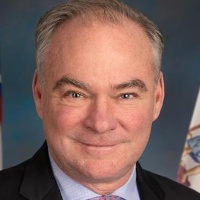
Timothy "Tim" Kaine
Senator
VA
The State Department Integrity and Transparency Act aims to strengthen U.S. foreign policy by ensuring senior State Department officials possess deep expertise and experience. The bill mandates that a majority of Assistant Secretaries must come from the career Foreign or Senior Executive Service and enhances disclosure requirements for all high-level nominees. Furthermore, it increases transparency by requiring the public posting of nominee reports and certifying that political contributions did not influence appointments. The legislation also places limits on the duration of certain short-term, politically appointed positions at diplomatic missions abroad.
State Department Integrity and Transparency Act Mandates 75% Professional Leadership and Public Donor Disclosures Starting in 2029.
The State Department Integrity and Transparency Act is a legislative overhaul designed to ensure that the people representing America abroad actually know what they’re doing. The bill mandates that at least 75 percent of Assistant Secretaries—the high-level bosses who run specific regions or policy areas—must be seasoned pros from the Senior Foreign Service or Senior Executive Service (Sec. 3). It’s essentially a move to stop treating top diplomatic posts like participation trophies for political allies and start treating them like the high-stakes management jobs they are. For the average person, this means the people negotiating trade deals or managing international crises have likely spent decades in the field rather than just months on a campaign trail.
Putting the 'Pro' in Professional
Beyond just requiring years of service, the bill gets granular about what a nominee needs to bring to the table. Under Section 3, anyone nominated as an Assistant Secretary or Chief of Mission (like an Ambassador) has to prove they actually speak the local language and understand the history and culture of the place they’re being sent. This isn't just a vibe check; the State Department has to issue a public report detailing the source and depth of that knowledge. Think of it like a job interview where the resume is posted online for everyone to see. If a nominee has business interests in the country they are supposed to be monitoring, they have to disclose those too. This prevents a scenario where a diplomat might be tempted to favor a personal business partner over the interests of U.S. taxpayers.
Following the Money
One of the biggest shifts here involves 'bundled contributions'—those large chunks of campaign cash that well-connected people collect from others and hand over to candidates. Section 4 requires nominees to disclose all such contributions made by themselves or their immediate family members. To keep things honest, Section 5 requires the President to personally certify to the Senate that these donations played zero role in the nomination. It’s a direct attempt to break the 'pay-to-play' cycle where big donors are rewarded with cushy embassy posts in Europe while career experts are left in the wings. By making these reports and Certificates of Competency available on a public website, the bill gives the public a chance to see exactly why a specific person was chosen for a role.
Closing the Revolving Door
Finally, the bill takes a swing at 'special appointments'—those temporary political roles that sometimes bypass the usual vetting. Starting January 1, 2029, Section 6 caps these short-term overseas postings at 90 days per year. It also specifies that these individuals can’t just hop from one temporary role to another to stay abroad indefinitely. This is a win for the rank-and-file workforce at the State Department, as it ensures that sensitive diplomatic missions aren't being handled by a rotating door of political staffers who haven't been fully vetted for the job. While this might frustrate future administrations looking for more flexibility, it prioritizes a stable, nonpartisan foreign policy that doesn't flip-flop every time the political wind changes.