This Act establishes the Asal Sayas National Strategy on Young Adult Cancers to coordinate research, education, and resources addressing the rising incidence and unique challenges of cancer in individuals aged 18 to 49.
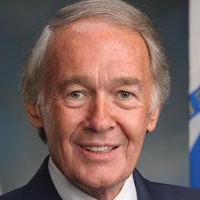
Edward "Ed" Markey
Senator
MA
This bill establishes the Asal Sayas National Strategy on Young Adult Cancers to address the rising incidence and unique challenges of cancer in individuals aged 18 to 49. The strategy requires the NIH to develop a comprehensive plan focusing on research priorities, public and professional education campaigns, and improving early detection methods. It also mandates the creation of a federal online clearinghouse and a coordinating committee to oversee implementation and progress reporting.
New National Cancer Strategy Targets Rising Rates in Adults Under 50: 18-Month Rollout for Screening and Research Overhaul
Cancer isn't just a concern for our grandparents anymore. This bill, the Asal Sayas National Strategy on Young Adult Cancers Act, acknowledges a startling reality: cancer rates for people aged 18 to 49 jumped 79 percent globally over the last few decades. To combat this, the legislation mandates the Director of the NIH to build a comprehensive national strategy within 18 months. This isn't just a report to sit on a shelf; it’s a directive to overhaul how we find, treat, and fund research for cancers hitting people in the prime of their careers and parenting years. The bill specifically targets the 'diagnostic gap'—the fact that young adults often wait seven months for a diagnosis while those over 50 get answers in one—by forcing a re-evaluation of screening ages and insurance coverage.
Closing the Diagnostic Gap
The bill addresses the frustrating reality that many 30-somethings are told they are 'too young' for a colonoscopy or lung scan despite having symptoms. Under Section 3, the strategy must provide recommendations to the U.S. Preventive Services Task Force to speed up reviews for screening guidelines. For a 35-year-old office worker with persistent digestive issues, this could mean the difference between an early-stage catch and an advanced-stage diagnosis. The bill also pushes for the use of electronic health record tools to help doctors spot red flags and hereditary risks earlier, aiming to cut down the time people spend bouncing between specialists before getting a referral to an oncologist.
Research and Real-World Support
Beyond the lab, the legislation looks at the 'life' side of a diagnosis. It calls for the creation of National Centers of Excellence and a federal online clearinghouse to give patients and doctors a single source for clinical trials and treatment guidelines. Crucially, the bill (Section 3) requires the strategy to address 'psychosocial needs'—think fertility preservation for someone wanting to start a family, mental health support, and the logistics of keeping a job while undergoing chemo. It also mandates an analysis of the economic impact, noting that young adult cancers cost the U.S. up to $80 billion annually in lost productivity and medical bills, framing cancer prevention as a vital economic priority.
Coordination and Accountability
To make sure this doesn't get lost in the federal bureaucracy, the bill establishes a Federal Coordinating Committee. This group includes heavy hitters from the CDC, FDA, and VA, along with patient advocates. They are tasked with submitting progress reports every two years to ensure the strategy is actually being implemented. While the bill is broad—leaving some specifics on 'National Centers of Excellence' to be defined later—it sets a clear deadline for a centralized plan to address why cancers like colorectal and lung are becoming the leading killers of young professionals and parents.