This bill expands the Ashanti Alert communications network to include information on missing adults with developmental disabilities, Alzheimer's disease, or dementia, and mandates related training for responders.
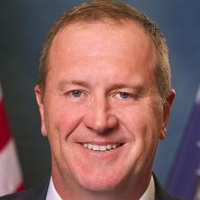
Eric Schmitt
Senator
MO
This bill, the Enhanced Alerts for Missing Loved Ones with Disabilities Act of 2026, amends existing law to expand alerts issued through the Ashanti Alert network. It mandates the inclusion of information regarding developmental disabilities, Alzheimer's disease, and dementia in missing adult alerts. Furthermore, the legislation requires enhanced training for responders dealing with missing persons who have developmental disabilities.
Enhanced Alerts for Missing Loved Ones with Disabilities Act of 2026 Expands Emergency Notifications and Law Enforcement Training
The Enhanced Alerts for Missing Loved Ones with Disabilities Act of 2026 aims to modernize how we search for some of our most vulnerable neighbors. By amending Kristen’s Act and the PROTECT Act, the bill ensures that when an adult or child with a developmental disability, Alzheimer’s, or dementia goes missing, the alerts sent to our phones and displayed on highway signs actually reflect their specific needs. It moves away from the vague requirement of having a "proven" disability and specifically includes those diagnosed with cognitive conditions, ensuring that the Ashanti Alert network and other systems are triggered more accurately and quickly.
More Than Just a Name and Photo
Under Section 2 of the bill, authorities are now required to include specific details about a missing person’s condition—such as a developmental disability or dementia—directly in the alert. This isn't just about paperwork; it’s about context. For example, if a 30-year-old man with a developmental disability wanders away from a group home, a standard alert might lead bystanders to assume he is just an adult out for a walk. By including the specific diagnosis in the notification, the public and law enforcement gain an immediate understanding that the individual may be non-verbal, easily overwhelmed, or in need of specific medical assistance, which can drastically change how people approach and help them.
Specialized Training for High-Stakes Moments
Recognizing that a standard police response might not work for everyone, Section 3 of the bill mandates new training and educational programs for responders. These programs are designed to teach law enforcement and emergency personnel how to effectively interact with missing adults and children who have developmental disabilities. For a parent of a child with autism or a caregiver for a spouse with Alzheimer’s, this means that the officers arriving on the scene will have specific protocols for search and rescue that account for sensory sensitivities or common wandering behaviors. This training extends across state, territorial, and tribal governments, aiming for a consistent safety net regardless of where a person goes missing.
Closing the Gaps in Public Safety
By updating the legal definitions and expanding the scope of Kristen’s Act, the bill effectively widens the safety net for families who previously might have struggled to meet the strict "proven physical or mental disability" criteria for an alert. The inclusion of Alzheimer’s and dementia specifically addresses the realities of an aging population where wandering is a frequent and dangerous occurrence. For busy families and caregivers, these changes offer a more streamlined, informed process during the terrifying first hours of a disappearance, prioritizing clear communication and specialized expertise over bureaucratic hurdles.