The BANNED in Latin America Act mandates a comprehensive U.S. strategy to counter and disrupt Iranian and Hezbollah influence, propaganda, and extremist networks throughout Latin America.
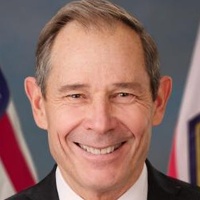
John Curtis
Senator
UT
The BANNED in Latin America Act mandates that the U.S. Secretary of State develop a comprehensive strategy to counter the influence of Iran and Hezbollah in Latin America. This legislation focuses on disrupting propaganda networks, restricting the activities of Iranian emissaries, and addressing the radicalization efforts of affiliated cultural and academic institutions. The bill aims to strengthen regional security by limiting the reach of state-sponsored extremist operations and media platforms.
BANNED in Latin America Act Mandates 180-Day Strategy to Dismantle Iranian Media and Cultural Networks
The BANNED in Latin America Act is a direct move to push back against Iranian and Hezbollah influence in our backyard. Within 180 days of this bill becoming law, the Secretary of State has to hand over a play-by-play strategy to Congress detailing exactly how the U.S. will disrupt everything from Iranian-run cultural centers to Spanish-language media outlets like HispanTV and Al Mayadeen Español. It’s not just about broad goals; the bill specifically targets the Al Mustafa International University network for potential designation as a foreign terrorist organization, aiming to shut down what it describes as radicalization and recruitment hubs operating in the region.
The Digital and Diplomatic Lockdown
This bill goes after the infrastructure of influence. It calls for a framework to disrupt media platforms by using sanctions and working with regional partners to pull the plug on their digital presence and broadcasting reach. For anyone working in international tech or media, this signals a tightening of the screws on content distribution. The bill also directs the government to restrict the travel of Iranian emissaries—diplomats and cultural attachés—using visa denials and sanctions to keep them off the board. Think of it as a targeted travel ban for specific agents the U.S. believes are facilitating propaganda networks (SEC. 2).
Intelligence on Overdrive
One of the biggest shifts here is the push for 'strengthened intelligence capabilities.' The bill wants U.S. agencies to get better at monitoring how these foreign networks cooperate with local academic institutions and NGOs. While the goal is to stop terror-supporting networks, the language is broad enough that it could put a spotlight on legitimate regional non-profits or schools that happen to have ties to the entities mentioned. For a professional working in international development or academia in Latin America, this could mean navigating a much more complex and scrutinized landscape when it comes to partnerships and funding.
The Strategy of Uncertainty
The bill is currently at a 'Medium' vagueness level, which is policy-speak for 'we know what we want to do, but we haven't said exactly how.' For instance, it grants the executive branch significant discretion to 'tackle' cultural centers and 'address' university networks 'as appropriate.' This lack of specific criteria means the actual impact on the ground will depend entirely on how the State Department decides to interpret those terms. While it aims to protect regional stability, the broad authority to designate groups and disrupt media could lead to a 'net-and-spear' approach where some legitimate cultural or religious activities get caught in the crossfire of a geopolitical chess match.