This bill reinstates penalties for unauthorized fee charging by non-accredited representatives and enhances protections, transparency, and reporting mechanisms for veterans seeking assistance with VA benefits claims.
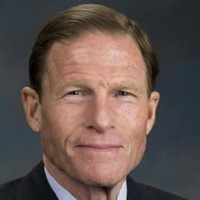
Richard Blumenthal
Senator
CT
The SAFEGUARD Veterans Act of 2026 aims to protect veterans from fraudulent and unauthorized fee charging by reinstating strict penalties, including fines and imprisonment, for those who illegally assist with VA benefit claims. The bill mandates the VA to improve transparency by creating an online tool listing accredited representatives and enhancing public warnings about predatory practices on all claim-filing websites. Furthermore, it requires new data collection on paid assistance providers and establishes a robust, accessible accreditation system for legitimate agents and attorneys.
SAFEGUARD Veterans Act Reinstates Criminal Penalties for Charging Unauthorized Fees on VA Benefit Claims
The SAFEGUARD Veterans Act of 2026 is stepping in to shut down the 'claim sharks' who profit off veterans trying to navigate the VA system. The core of this bill is the reinstatement of criminal penalties for anyone charging unauthorized fees to help a veteran file for benefits. If someone isn't an accredited attorney or agent and they take your money to help with a claim, they could face up to a year in prison and significant fines under Section 2. The bill also forces the VA to name and shame bad actors by maintaining a public, quarterly updated list of suspended or excluded representatives, making it much harder for predatory consultants to hide behind professional-looking websites.
Locking the Front Door
Beyond just punishing the bad guys, the bill changes how you interact with the VA online. Under Section 4, the VA must now plaster warnings all over its public-facing websites, not just behind a login screen. These warnings will specifically tell veterans to keep their login credentials and bank info private—a direct response to scammers who ask for passwords to 'manage' a veteran's profile. To make sure the government knows who is really helping with paperwork, Section 5 requires every single VA benefit form to include a new question: 'Did you pay someone to help you with this?' If the answer is yes, you have to provide their name and info right there on the application.
The Accreditation Upgrade
For the professionals who actually follow the rules, the bill mandates a serious tech upgrade. Section 6 requires the VA to build a high-availability accreditation system (aiming for 99.9% uptime) where attorneys and agents can certify their credentials and veterans can file complaints directly. This isn't just about red tape; it's about creating a reliable 'verified' checkmark for the people who are legally allowed to help you. It also clarifies that while these representatives are regulated, private doctors who are just filling out disability questionnaires or providing medical opinions are not considered 'claim preparers' and won't be caught in the crosshairs of these new restrictions.
Cutting the Cord on Robocalls
In a move that helps more than just veterans, Section 7 takes a swing at automated phone spam. It amends the Communications Act to ban automated equipment from making repeated calls to federal agency phone numbers if that equipment can exchange information without a human on the line. This is designed to stop bots from clogging up VA phone lines, which often prevents actual veterans from reaching a real person. While the bill sets a tight 90-day deadline for the VA to start writing these new rules, the full rollout of website warnings and form changes is expected within about six months of the bill becoming law.