This act prohibits specified political insiders from receiving payments from the Anti-Weaponization Fund related to the *Trump v. IRS* settlement and mandates public disclosure 180 days before any such payment is made.
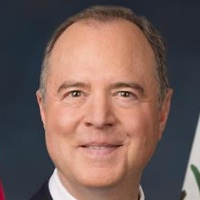
Adam Schiff
Senator
CA
The "No Payouts for Political Insiders Act" restricts who can receive payments from the Anti-Weaponization Fund, specifically prohibiting payments related to the *Trump v. Internal Revenue Service* settlement to high-level political officials and their associates. The bill also mandates public disclosure of payment details, including the recipient and amount, at least 180 days before any such payment is made. These restrictions apply to pending cases and future causes of action arising after January 20, 2025.
No Payouts for Political Insiders Act Bars High-Level Officials from Anti-Weaponization Fund Settlements Starting 2025
The No Payouts for Political Insiders Act is a direct move to put a lock on the taxpayer-funded cookie jar when it comes to high-profile legal settlements. Specifically targeting the 'Anti-Weaponization Fund' and the settlement in Trump v. Internal Revenue Service, this bill ensures that the people making the laws and running the country aren't the ones cashing the checks. It’s a straightforward piece of legislation that draws a hard line between public service and personal profit, ensuring that funds meant for legal redress don't end up in the pockets of the political elite.
Drawing the Line at the Top
The bill specifically lists who is off the guest list for these payouts. Under Section 2, the President, Vice President, and their campaign staff are barred from receiving any funds from the specified settlement. This isn't just about the big names at the top; it also includes U.S. Senators, Representatives, and even the staff members who keep the House and Senate running. For example, if a high-ranking executive branch official or a Congressional staffer were part of a class-action claim related to this fund, this law would effectively say, 'Thanks, but no thanks.' By excluding these 'covered officials' (as defined by the Lobbying Disclosure Act), the bill aims to prevent even the appearance of a conflict of interest where those in power could benefit from government-managed legal funds.
Sunshine as a Safeguard
One of the most practical parts of this bill is the 180-day waiting period. Before a single cent leaves the fund for this settlement, the government must publicly disclose the recipient’s name, the dollar amount, a summary of the claim, and even the name of the attorney involved. Think of it like a public notice for a major construction project, but for government checks. This six-month heads-up gives the public, journalists, and watchdog groups plenty of time to look at the numbers and ask, 'Does this make sense?' It’s a transparency measure designed to keep the process honest and ensure that payouts aren't happening behind closed doors.
Real-World Timing and Impact
This isn't just a plan for the distant future; the bill is designed to hit the ground running. The restrictions and disclosure rules apply to any cases currently pending and any new legal actions that pop up on or after January 20, 2025. This date is significant as it aligns with the start of a new presidential term, setting a clear standard for the incoming administration. While this might feel like inside-baseball for D.C. types, for the average taxpayer, it means more accountability. Whether you’re a small business owner or a shift worker, the bill provides a layer of protection ensuring that public funds aren't used as a private payout system for the well-connected.