The Elder Pride Act amends the Older Americans Act to recognize and improve services for LGBTQI and HIV-positive older individuals through new definitions, the establishment of an Office of LGBTQI Inclusion, and a rural outreach grant program.
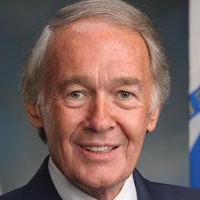
Edward "Ed" Markey
Senator
MA
The Elder Pride Act amends the Older Americans Act to explicitly recognize and address the needs of LGBTQI and HIV-positive older adults. It establishes a new Office of LGBTQI Inclusion within the Administration on Aging to coordinate services and promote access. Furthermore, the Act creates a dedicated grant program to fund rural outreach initiatives specifically targeting LGBTQI older individuals and those in other protected classes.
Elder Pride Act Proposes $5 Million Annual Grant for Rural LGBTQI Senior Support and HIV Services Starting in 2027
The Elder Pride Act is a major update to the Older Americans Act of 1965, specifically designed to ensure that LGBTQI seniors and those living with HIV aren't left behind by the systems meant to support them as they age. By officially adding 'status as an LGBTQI individual' and 'status as an individual with HIV' to the legal definition of 'greatest social need' (Section 2), the bill ensures these factors are prioritized when agencies decide where to send resources and help. It also redefines 'minority' to include the LGBTQI community across federal aging laws, moving beyond just race or ethnicity to recognize the specific social challenges these seniors face.
A New Desk at the Administration on Aging
To make sure this isn't just a change on paper, the bill creates a dedicated Office of LGBTQI Inclusion (Section 3). Think of this as a watchdog and advocate within the Department of Health and Human Services. It will be led by a Director and an Assistant Director who are tasked with cutting through the red tape to coordinate services across different federal agencies. Their job is to make sure that when you or a loved one goes to an aging center, the staff understands the unique medical and social history of LGBTQI seniors. They’ll also be responsible for gathering hard data—something that’s been historically lacking—to prove exactly where the gaps in care are and how to fix them.
Bridging the Rural Gap
One of the biggest hurdles for seniors in small towns or rural areas is finding inclusive care without driving three hours to a major city. Section 4 of the bill addresses this by authorizing $5 million every year from 2027 through 2031 for a new rural outreach grant program. These funds are earmarked for local nonprofits and tribal organizations to build 'lasting partnerships' in areas the Census Bureau labels as non-urban. For a senior in a rural county, this could mean better access to local sexual health services or community centers that have received specific training on cultural competency, making it safer and easier to seek help without fear of judgment.
The Fine Print on Funding and Oversight
While the bill is focused on expansion, it includes a 'Supplement, Not Supplant' rule, which is policy-speak for: 'You can’t use this federal money to pay for things your state was already supposed to be funding.' It’s a move to ensure that the $5 million actually results in new services rather than just balancing a local budget. The bill also sets a five-year reporting cycle where the Director must tell Congress exactly what they’ve been doing. Because the definition of 'protected class' is somewhat broad, the success of these grants will depend on how the Assistant Secretary for Aging sets the standards for who qualifies, making those first few years of implementation critical for anyone keeping an eye on how these tax dollars are spent.