This Act establishes the independent, nonprofit Foundation for Digital Opportunity to promote digital inclusion and literacy by leveraging private and philanthropic funding to supplement federal efforts.
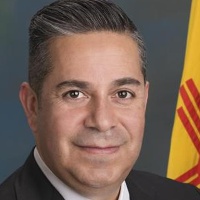
Ben Luján
Senator
NM
The Digital Opportunity Foundation Act of 2026 establishes an independent, nonprofit Foundation to promote digital inclusion and literacy across the nation. This Foundation will supplement federal efforts by leveraging private and philanthropic funding to increase broadband adoption and digital skills, especially among underserved populations. Governed by a diverse Board of Directors, the Foundation is authorized to conduct studies, award grants, and establish for-profit subsidiaries to stimulate economic development.
Digital Opportunity Foundation Act Proposes New Nonprofit to Boost AI Skills and Rural Broadband Access by 2026
The Digital Opportunity Foundation Act of 2026 aims to bridge the tech gap by creating an independent nonprofit corporation tasked with making sure no one gets left behind in the digital age. This isn't just another government agency; it’s a 501(c)(3) designed to hustle for private and philanthropic cash to fund digital literacy and broadband adoption. Think of it as a specialized task force meant to supplement the work already being done by the FCC and NTIA, specifically focusing on communities where the internet is either too expensive or just plain unavailable. The bill sets a tight 180-day deadline for a five-member committee to get the foundation officially incorporated and ready to roll.
More Than Just High-Speed Connections
While getting fiber to your front door is part of the mission, this bill recognizes that a fast connection doesn't help much if you don't know how to use it. Under Section 2, the foundation is charged with promoting "digital literacy," which specifically includes teaching people how to navigate AI technologies and protect their privacy online. For a parent trying to help their kid with homework or a senior citizen worried about internet scams, this could mean local workshops and better access to tools that make the web less intimidating. It’s about making sure that whether you’re coding software or running a local hardware store, you have the skills to keep up with a changing economy.
Funding the Future and Local Impact
The foundation has the green light to get creative with how it boosts the economy. It can award grants for local digital projects and even start for-profit subsidiaries, like an impact investment fund, to back tech startups or build new facilities. For a small business owner in a rural town, this might look like a new business incubator moving into a vacant building, providing the high-speed tech and training needed to launch a digital storefront. The bill specifically mentions supporting "community anchor institutions" like libraries and schools, ensuring they have the resources to serve as tech hubs for their neighborhoods.
Keeping the Books Balanced
Because this foundation will be handling both taxpayer dollars and private donations, the bill builds in several layers of oversight to keep things on the level. A diverse Board of Directors—including experts from academia, industry, and nonprofits—will call the shots, and they’re required to play by strict conflict-of-interest rules. Every two years, they have to hand over a full accounting of their spending to Congress, and every five years, the Comptroller General will do a deep dive to see if they’re actually hitting their goals. While the government isn't on the hook for the foundation's debts, the goal is to create a transparent, high-impact organization that turns private investment into public opportunity.