This bill mandates a study to improve how the government identifies and designates areas facing shortages of general surgeons.
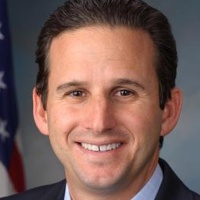
Brian Schatz
Senator
HI
The Ensuring Access to General Surgery Act of 2026 addresses the growing shortage of general surgeons across the U.S., particularly in rural areas. The bill mandates a comprehensive study by the Secretary of Health and Human Services to evaluate current methods for designating surgical shortage areas. This study must analyze new methodologies, including one based on surgeon-to-population ratios within specific service areas, to accurately identify where general surgery access is inadequate. Ultimately, the legislation aims to establish a clear process for designating and addressing these critical general surgery shortage areas.
New Surgery Access Bill Targets Rural Shortages: HHS to Redefine Surgical Deserts by 2027.
The 'Ensuring Access to General Surgery Act of 2026' is a strategic push to fix a growing crisis in American healthcare: the disappearing general surgeon. Right now, if you live in a rural area, there is a 30% chance your community doesn't have the surgical coverage it needs. This bill orders the Department of Health and Human Services (HHS) to stop guessing where the gaps are and start using hard data to map out 'general surgery shortage areas.' By 2027, the government must complete a massive study to determine if current healthcare maps are actually catching the places where patients are falling through the cracks, specifically looking at how long it takes you to drive to an operating room and how long you’re stuck on a waitlist.
Mapping the Medical Desert
Under Section 3, the bill moves beyond simple headcounts. Instead of just counting doctors per county, HHS has to look at 'surgery service areas'—essentially drawing a circle around hospitals and seeing who actually lives within reach based on Medicare data and ZIP codes. For a construction worker in a remote town or a small business owner in a growing suburb, this means the government is finally looking at 'ground transportation time' and 'patient experience' rather than just dots on a map. The goal is to identify 'critical shortage' zones where a lack of a surgeon isn't just an inconvenience, but a life-threatening delay for an emergency appendectomy or gallbladder removal.
The Math Behind the Medicine
The bill is surprisingly specific about how it wants the experts to do their homework. It requires a four-step methodology that calculates surgeon-to-population ratios while explicitly forbidding the government from assuming our current, stressed system is the 'optimal' baseline. It also forces HHS to consult with the people actually doing the work—medical societies and patient advocacy groups—to set these new standards. Within one year of the bill's start, a report must hit Congress's desk detailing exactly where the system is breaking down.
Real-World Stakes and Next Steps
While the bill is largely a data-gathering mission, it gives the Secretary of HHS the power to officially designate these shortage areas through public rulemaking. For someone living in a 'surgical desert,' an official designation is often the first step toward getting federal grants, student loan forgiveness for new doctors who move there, or increased funding for local clinics. The catch? Because the bill has a 'medium' level of vagueness regarding the final thresholds for what counts as an 'adequate' supply of doctors, the actual impact will depend on the fine print HHS writes after their study is done. We’ll be watching to see if the new definitions help struggling rural hospitals or if they inadvertently shift resources away from urban neighborhoods that are also feeling the squeeze.