This bill officially designates the Great Lakes Commission as a Regional Great Lakes Partnership.
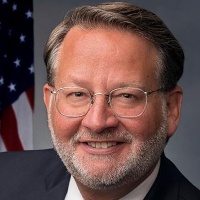
Gary Peters
Senator
MI
The Regional Great Lakes Partnership Act of 2026 officially designates the Great Lakes Commission as a recognized Regional Great Lakes Partnership. This designation amends existing federal law to formally include the Commission, which represents the eight Great Lakes states.
Great Lakes Commission Gains Official Federal Partnership Status Under New 2026 Act
The Regional Great Lakes Partnership Act of 2026 is a targeted piece of legislation that officially designates the Great Lakes Commission as a 'Regional Great Lakes Partnership.' By amending Section 10202 of the 2023 National Defense Authorization Act, the bill formally integrates this long-standing commission into a specific federal framework designed for regional cooperation. The Commission itself isn't new—it was established back in 1968—but this update moves it into a modern legislative category alongside other recognized regional bodies.
Making the Connection
For residents in the eight states involved—Illinois, Indiana, Michigan, Minnesota, Wisconsin, New York, Ohio, and Pennsylvania—this is essentially a housekeeping move with real-world benefits. By being listed as an official partner under federal law, the Commission can better coordinate with federal agencies on massive projects like water quality management and invasive species control. If you live in a lakeside town or work in a Great Lakes shipping port, this designation helps ensure your state’s representatives are at the same table as federal decision-makers when it comes to the health and economy of the basin.
Streamlining the Great Lakes Strategy
The primary shift here is administrative clarity. By referencing the original Great Lakes Basin Compact, the bill reinforces a unified front for the multi-state region. Rather than having eight different states navigate federal water policies individually, this act solidifies the Commission’s role as the central hub. For a small business owner relying on lake tourism or a municipal worker managing local water systems, this means less bureaucratic static and a more direct line between regional needs and federal resources.