This act establishes a new, more generous federal loan forgiveness program for educators serving in high-need schools and early childhood education settings, offering 100% debt cancellation after five years and monthly payment assistance during service.
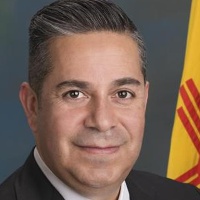
Ben Luján
Senator
NM
The Loan Forgiveness for Educators Act of 2026 overhauls federal student loan programs to eliminate debt for educators serving in high-need schools and early childhood education settings. After five years of qualifying service, educators can receive 100% forgiveness on remaining federal student loans. The bill also provides monthly loan assistance while educators are actively serving, treating these payments as qualifying service toward Public Service Loan Forgiveness. This legislation aims to stabilize the educator workforce by significantly reducing the financial burden of student debt.
New Education Bill Wipes Out Student Debt for Teachers and Early Childhood Staff After Five Years of Service.
The Loan Forgiveness for Educators Act of 2026 is a massive overhaul of how we treat the debt of the people teaching our kids. Instead of the current patchwork of small-scale forgiveness programs, this bill offers a clean slate: 100% of federal student loan debt—including Direct Loans and FFEL loans—is cancelled after five years of working in a high-need school or early childhood program. This isn't just for K-12 teachers; it explicitly brings early childhood educators and program directors into the fold, acknowledging that the people watching our toddlers are just as essential to the workforce as high school math teachers.
The Monthly Pay-Off
One of the most practical shifts in this bill is that you don't have to wait five years to see a benefit. Under Section 2, the Department of Education will pick up the tab for your minimum monthly loan payments while you are actively serving. This is a game-changer for a first-year teacher or a preschool lead struggling with rent; the government essentially steps in as a co-payer. Even better, these months count toward the Public Service Loan Forgiveness (PSLF) program, and interest stops accruing on Direct Loans while you're in the program. If you’re a parent who took out a Parent PLUS loan for a child who is now teaching in a high-need area, you’re in luck—those loans are eligible for the same monthly help and eventual wipeout.
Who Qualifies and Where
The bill casts a wide net but keeps its focus on 'high-need' areas. This includes public schools where more than 30% of students meet poverty thresholds, Bureau of Indian Education schools, and Head Start programs. It’s not just for the classroom, either; school leaders and early childhood directors are included. For those in specialized roles, like Alaska Native or Native Hawaiian language instructors, the bill allows you to qualify even if you don't have a traditional state certification. The service doesn't even have to be consecutive—if you take a year off to deal with a family medical issue or go back to school, you can pick up where you left off toward that five-year goal.
Cutting the Red Tape
To make sure this actually works in the real world, Section 2 requires the Secretary of Education to create a single, streamlined application for both the monthly help and the final forgiveness. They’re also making it easier to prove you work where you say you do. While school district admins can verify service for teachers, the bill allows family child care providers and standalone center directors to self-certify using business licenses or proof of participation in federal subsidy programs. By waiving the usual slow-moving 'negotiated rulemaking' process in Section 4, the bill aims to get these rules on the books and the money moving faster than typical bureaucratic timelines allow.