This Act permanently bans former Members and elected officers of Congress from ever lobbying Congress after leaving office.
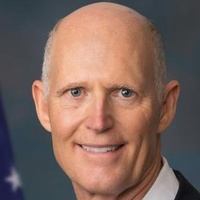
Rick Scott
Senator
FL
The Banning Lobbying And Safeguarding Trust Act (BLAST Act) permanently prohibits former Members of Congress and certain elected officers from ever lobbying Congress after leaving office. This measure amends federal law to make it a crime for these former officials to attempt to influence congressional action on behalf of others. The Act also automatically classifies former Members engaged in lobbying activities as registered lobbyists.
BLAST Act Imposes Permanent Lifetime Ban on Former Members of Congress from Lobbying Their Colleagues.
The Banning Lobbying And Safeguarding Trust Act, or BLAST Act, aims to shut the 'revolving door' between Capitol Hill and K Street for good. Under current rules, former members usually have a one- or two-year 'cooling-off' period before they can start lobbying their old coworkers. This bill deletes that waiting period and replaces it with a permanent, lifetime ban. Specifically, it amends 18 U.S.C. § 207(e) to make it a crime for any former Senator, Representative, or elected officer (like the Sergeant at Arms) to ever register as a lobbyist or communicate with Congress to influence official action on behalf of a client.
Locking the Revolving Door
This isn't just about making it harder to get a new job; it’s about changing the definition of what a lobbyist is to ensure no one slips through the cracks. The bill updates the Lobbying Disclosure Act so that any former Member of Congress who is paid to provide lobbying services—even if they aren't the ones making the direct phone calls—is automatically classified as a lobbyist. Imagine a former lawmaker who is hired by a major tech firm to 'consult' on strategy but never officially calls a Senator; under this bill, if they are providing services that support lobbying activities, they are officially on the hook. This prevents former officials from acting as 'shadow lobbyists' who use their insider knowledge to coach others on how to tilt the scales of legislation.
Impact on the Influence Industry
The immediate effect will be felt by the high-powered lobbying firms that often recruit retiring politicians for their deep Rolodexes and institutional knowledge. For a small business owner or a trade worker, this means the person you elected to represent your interests can’t immediately turn around and sell their access to the highest bidder the moment they leave office. By removing the financial incentive for lawmakers to 'audition' for lobbying gigs while still in office, the bill seeks to ensure that legislative decisions are based on policy merits rather than future job prospects. It’s a straightforward shift: once you’re out of the game, you’re out for good.
Implementation and Enforcement
The new rules kick in for anyone leaving office on or after the date the Act is signed into law. While it sets clear boundaries, the real-world challenge lies in enforcement. The bill relies on existing criminal penalties for violations, but as with any law involving 'intent to influence,' the line between a friendly lunch and a lobbying contact can sometimes get blurry. However, by permanently stripping away the legal status of former members as professional influencers, the BLAST Act creates a much harder line than the current temporary bans, aiming to restore a level of public trust that has been sliding for years.