The Universal School Meals Program Act of 2026 establishes free breakfast and lunch for all students in participating schools, eliminates school meal debt, and updates federal poverty metrics used for various education and nutrition programs.
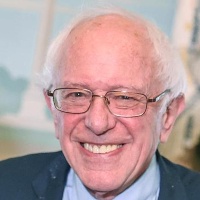
Bernard "Bernie" Sanders
Senator
VT
The Universal School Meals Program Act of 2026 establishes free breakfast and lunch for all students in participating schools, eliminating income-based eligibility and school meal debt. It also updates federal funding metrics by replacing free/reduced lunch data with new measures of economically disadvantaged students across various education and nutrition programs. This comprehensive bill aims to ensure universal access to nutrition while streamlining administrative requirements related to poverty tracking.
Universal School Meals Program Act of 2026: Free Breakfast & Lunch for All Students, Plus Summer EBT Expansion
Alright, let's talk about something that hits close to home for pretty much every family with kids: school meals. The Universal School Meals Program Act of 2026 is looking to completely reshape how kids eat at school, and honestly, it’s a pretty big deal. This bill basically says, "Hey, every kid deserves a solid meal," and then lays out how we’re going to make that happen, from the cafeteria to summer break.
No More Lunch Money Worries: Universal Free Meals
First up, and probably the biggest headline, is that this bill aims to make school breakfasts and lunches free for every single student in participating schools. That’s right, no more income-based applications, no more reduced-price categories, and definitely no more "lunch shaming" where kids are singled out for not having money for their meal. Title I and Title II of the bill are clear on this: if a school participates, every kid gets a free breakfast and lunch. This isn't just about feeding kids; it’s about taking a huge stressor off parents’ plates and making sure every kid starts the day ready to learn, regardless of their family’s financial situation. The bill sets a base payment of $3.28 per breakfast and $5.42 per lunch, with those numbers adjusting for inflation, so schools can keep up with food costs. Plus, there are extra payments for schools that use locally-sourced food, which is a nice little shout-out to local farmers and the economy.
Clearing the Cafeteria Debt
Ever had that awkward moment when your kid comes home with a note about unpaid lunch debt? Or maybe you're a school administrator trying to balance the books with a pile of outstanding meal charges? This bill has a plan for that. It prohibits schools from collecting unpaid meal debt from parents or guardians moving forward. Even better, it requires the government to reimburse schools for all existing delinquent debt within 180 days (Title II). This is a huge win for both families, who won't be hounded for money they might not have, and for schools, who often have to eat those costs or spend valuable time chasing them down. It’s a clean slate, ensuring that a child’s access to food isn't tied to their family’s ability to pay on the spot.
Beyond the Bell: Summer and Afterschool Support
Hunger doesn't just clock out when school does. This legislation really leans into that, significantly expanding support for out-of-school meals. The bill makes all children eligible for summer meal programs and extends the service period to include May through September and even school closures (Title II). And for families who might not have access to summer meal sites, there’s a new Summer Electronic Benefits Transfer (EBT) program that provides $60 per child per month to help cover food costs. Think of it like a temporary boost to your grocery budget when the kids aren't getting those free school meals. Title II also updates the Child and Adult Care Food Program, ensuring free meals in those settings and removing area eligibility requirements for afterschool programs, meaning more kids in care can get fed.
Smarter Ways to Identify Need
One of the less flashy but still impactful parts of this bill is how it changes how we measure poverty for federal programs. Right now, a lot of funding for things like education and child care relies on how many kids qualify for free or reduced-price lunch. With universal free meals, that metric becomes obsolete. So, Title III and Title IV introduce a new system: schools can now use a student survey, existing direct certification data (like if a family already gets SNAP benefits), or a combination, to identify "children from low-income backgrounds." The Secretary of Education has to create a simple, standardized survey within 180 days, and crucially, all individual student data is protected by privacy laws. This shift aims for a more accurate and consistent way to allocate federal funds, ensuring resources go where they're truly needed without relying on a meal program that no longer has income tiers.
What This Means for You
If you're a parent, this bill could mean a few less things to juggle. No more packing lunches every day (unless you want to!), no more worrying about meal debt, and potentially more support for feeding your kids during the summer. For schools, it’s a big administrative shift – they’ll need to adapt to the new universal system and the new poverty identification methods, but it also frees them from the headache of meal debt collection. The one-year delay before the law kicks in (it takes effect one year after being signed) should give everyone a bit of breathing room to get ready. Overall, this bill looks like a pretty comprehensive effort to make sure no kid in America goes hungry, and that's something we can all get behind.