This bill establishes new federal penalties for sharing personal information of law enforcement officers with the intent to obstruct justice or retaliate against them.
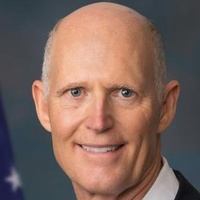
Rick Scott
Senator
FL
The Blocking Leaks Undermining Enforcement (BLUE) Act creates new federal penalties for knowingly sharing the personal information of federal law enforcement officers with the intent to obstruct their duties or retaliate against them. This legislation expands existing prohibitions to specifically protect officers by criminalizing the disclosure of their sensitive personal details, including physical locations. The bill aims to prevent unauthorized disclosures that undermine ongoing law enforcement activities.
New BLUE Act Targets Sharing Officer Info: Expands 'Personal Data' to Include Locations
Alright, let's talk about the 'Blocking Leaks Undermining Enforcement Act,' or the BLUE Act, because it's looking to change how information about federal law enforcement officers can be shared. Basically, this bill wants to make it a new federal crime to share certain personal information about these officers if you're doing it with the intent to mess with their job or get back at them.
What's Changing and Who's Affected?
So, here's the deal: current law already makes it illegal to knowingly publish personal info about folks like judges or jurors if you intend to harm them. The BLUE Act is now extending that rule to federal law enforcement officers. This means if you share an officer's personal details with the intent to physically obstruct, impede, interfere with, or retaliate against any of their official duties, investigations, or operations, you could be looking at a new federal crime. It also covers sharing that info to help someone else do the same. This isn't just about protecting officers from direct threats; it's about trying to prevent any kind of interference with their work. On the flip side, for journalists or folks who want to keep an eye on law enforcement, this could feel like walking on eggshells. What counts as 'intent to interfere' could be pretty broad, and that's where things get tricky.
'Personal Info' Just Got a Lot Broader
Now, here's a big one: the bill also expands what 'personal information' actually means for federal law enforcement officers. It's not just their home address or phone number anymore. Under this act, 'personal information' would include 'any physical location where the officer is or is reasonably expected to be present.' Think about that for a second. If an officer is working a public event, or even just at a coffee shop, and someone shares that location with an intent that's later deemed 'obstructive' or 'retaliatory,' that could potentially fall under this new crime. For everyday people, this means documenting or even just mentioning an officer's location in certain contexts could become a legal minefield. It's a move aimed at enhancing officer safety (SEC. 2), but it also raises questions about public transparency and the ability to observe law enforcement actions, even in public spaces.
The Intent is Key, But Also a Gray Area
The core of this new crime hinges on 'intent.' You have to share the information with the specific intent to obstruct, impede, interfere with, or retaliate against an officer's lawful duties. The challenge here is that 'intent' can be really hard to prove or disprove, and it can be open to interpretation. What one person sees as legitimate reporting or even just a public observation, another might see as an attempt to interfere. For instance, if a citizen journalist reports on the location of officers during a protest, is that 'interfering' with their operation, or is it legitimate public oversight? The bill doesn't clarify this, leaving a medium level of vagueness that could lead to some sticky situations for anyone trying to document or discuss law enforcement activities (SEC. 2). This could make people think twice before sharing any information about officers, even if their motives are completely innocent, potentially chilling free speech and public discourse around law enforcement actions.