This Act advances menopause care and mid-life women's health by funding research, promoting public awareness, improving professional training, and establishing Centers of Excellence.
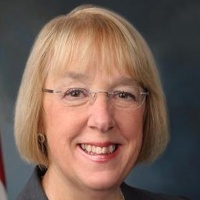
Patty Murray
Senator
WA
The Advancing Menopause Care and Mid-Life Women’s Health Act aims to significantly improve health outcomes for mid-life women by boosting federal research, public awareness, and professional training related to menopause. The bill establishes new programs for research funding, public education campaigns, and specialized training for healthcare providers. It also supports the creation of Centers of Excellence to advance evidence-based care and address disparities in treatment access.
New Bill Boosts Menopause Research & Care with $25M Annual Funding, Targets Health Disparities
Alright, let's talk about something that affects half the population and has, for too long, been treated like a whispered secret: menopause. The Advancing Menopause Care and Mid-Life Women's Health Act is stepping up to the plate, aiming to drag this critical health stage out of the shadows and into the spotlight it deserves. This isn't just about hot flashes; it's about a whole range of physical and mental health changes that impact women in their prime working and living years.
Unpacking the Research Push
First up, this bill is a huge win for understanding what's actually going on in mid-life women's bodies. It's authorizing a hefty $25 million annually from 2027 through 2031 for the National Institutes of Health (NIH) to really dig into menopause and mid-life women's health (Section 2). Think about it: research into everything from how perimenopause affects your mental health to developing new treatments for joint pain or sleep issues. This isn't just academic; it's about getting real answers for real problems. If you're a woman dealing with brain fog at work or chronic pain that no one seems to understand, this research could be the first step toward better solutions. The bill even wants to specifically look at health disparities, like how menopause affects women in rural areas differently than those in cities, ensuring that solutions aren't one-size-fits-all.
Boosting Public Health & Awareness
Beyond the labs, the bill is also putting a big emphasis on public health. It's authorizing $10 million per year from 2027 to 2031 to expand public health promotion and prevention activities (Section 3). This means better early detection, diagnosis, and treatment for menopausal symptoms. Imagine your local health department offering clearer information and resources, or your doctor having better tools to spot and address symptoms earlier. There's also a focus on mental health, with recommendations to increase access to mental and behavioral health care and substance use prevention services for women going through these changes. For anyone juggling work, family, and the often-unpredictable symptoms of menopause, having better, more coordinated care could be a game-changer.
Training Up Our Healthcare Heroes
One of the biggest hurdles for women has been finding healthcare providers who are truly knowledgeable about menopause. This bill tackles that head-on by authorizing another $10 million annually from 2027 to 2031 for grants to train healthcare professionals (Section 5). We're talking about doctors, nurses, dentists, pharmacists – everyone who might be on your care team. The goal is to ensure that when you walk into a clinic, you're not met with blank stares but with informed care. This includes expanding existing training programs and creating new ones, especially for those working in underserved areas. Better-trained professionals mean better care for you, whether you're a construction worker whose body is changing or an office worker trying to stay sharp.
Centers of Excellence & Online Resources
To really cement these improvements, the bill establishes Centers of Excellence in Menopause and Mid-Life Women's Health (Section 6). These centers will focus on professional training and developing evidence-based resources for both providers and patients. Think of them as hubs for the best information and care practices, with a mandate to ensure fair geographic distribution and prioritize areas with healthcare shortages. Plus, the Secretary of Health and Human Services is tasked with creating a national public health program, complete with a website full of accessible educational materials, webinars, and fact sheets (Section 4). This means clearer, more reliable information at your fingertips, helping you understand your own body and advocate for your health.
What This Means for You
In essence, this bill is a long-overdue investment in women's health. If passed, it means more research into conditions that have been understudied, better-informed healthcare providers, and more accessible information for everyone. It's about empowering women to navigate mid-life with better support and understanding. While the funding kicks in a few years down the road (starting in 2027), the groundwork it lays could significantly improve the quality of life for millions of women, making sure that this natural, significant life stage is finally given the attention and care it deserves.