This Act authorizes the construction of the Dry-Redwater Regional Water Authority System to secure a safe and adequate water supply for several counties in Montana and North Dakota, supported by federal funding and power from the Pick-Sloan Program.
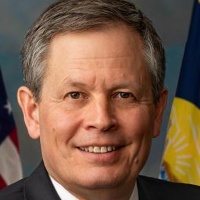
Steve Daines
Senator
MT
The Dry-Redwater Regional Water Authorization Act authorizes the construction of a major rural water project to secure a safe and adequate water supply for several counties in Montana and North Dakota. The bill authorizes $602 million in federal funding, covering up to 75% of planning, design, and construction costs, while preserving state authority over water rights. Furthermore, it mandates the Western Area Power Administration to supply necessary power for the system's operation at the firm power rate.
Dry-Redwater Act Greenlights $602M Water System for Montana, North Dakota: Feds Cover 75% of Build Costs
Alright, let's talk about something that hits close to home for anyone who's ever turned on a tap: water. The Dry-Redwater Regional Water Authorization Act is basically giving the green light to build a brand-new, big-deal water system across several counties in Montana and North Dakota. We’re talking about Garfield and McCone Counties, parts of Dawson, Prairie, and Richland Counties in Montana, and a chunk of McKenzie County in North Dakota. The main goal here, spelled out in Section 2, is to make sure folks in these areas—whether they're at home, on a farm, or running a business—have a safe and reliable water supply. It's a huge infrastructure play, and the feds are stepping up to cover a significant chunk of the bill. Specifically, Section 4(b) says the federal government will pick up up to 75% of the planning, design, and construction costs. That’s a serious investment in keeping the water flowing where it’s needed most.
Filling Up the Tank: What This Means for Your Water Bill
So, what does this actually look like on the ground? Think about the essential stuff that makes a water system run: pumps, treatment plants, big storage tanks, and all those pipelines connecting everything. Section 4(c) lists out what federal funds can be used for, and it’s pretty comprehensive: from the pumping stations and treatment facilities to access roads and even electrical power hookups needed to keep it all humming. They can even use these funds to buy, improve, and fix up existing local water systems, which is a smart move for efficiency. This means that if you’re in one of these counties, this new system could mean more consistent water pressure, better water quality, and less worry about shortages. For farmers and ranchers, Section 4(a) specifically mentions that the project must allow for livestock watering beyond just incidental use, which is a big deal for agricultural operations.
Keeping the Lights On: Powering the Flow
Running a massive water system takes a lot of juice, and this bill has a plan for that too. Section 5 notes that McCone and Garfield Counties were impacted by the construction of the Fort Peck Dam way back when, and they were supposed to get some benefits from the Pick-Sloan Program. Fast forward to today, and this bill basically says the Administrator of the Western Area Power Administration needs to make sure there's enough power available every year to run this new Dry-Redwater Water System. We’re talking about powering everything from the water intake right up to where the water gets delivered to your local storage. The good news? The cost for this power will be set at the “firm power rate,” which is generally a stable, predictable rate. The catch is that the local Dry-Redwater Regional Water Authority will be on the hook for that power bill and any delivery costs, plus any upgrades needed to the power grid to get that electricity to the water system. So, while the feds help build it, the local folks manage the ongoing operational costs.
The Bottom Line: Who Pays and Who Benefits
Let’s talk money. Section 7 authorizes a whopping $602,000,000 for the planning, design, and construction of this Water System, with funds available from fiscal years 2027 through 2037. That’s a decade of investment! And because construction costs can be a bit of a moving target, the bill includes provisions for cost indexing and adjustments for market volatility after January 1, 2024. This means the authorized amount can go up or down to reflect real-world construction prices, which is a sensible way to prevent the project from getting stalled by unexpected cost hikes. Crucially, Section 6 makes it clear that this federal project isn't stepping on any toes when it comes to state water rights; Montana and North Dakota still call the shots on how water resources are managed within their borders. So, while a lot of federal money is coming in, local control over water use remains intact. This bill looks like a solid step towards securing a vital resource for a significant part of the region, ensuring that essential infrastructure keeps pace with the needs of its communities.