This bill prohibits the use of U.S. foreign assistance funds for programs that violate human rights or undermine public health, while also nullifying specific related State Department rules.
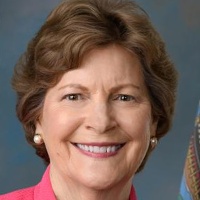
Jeanne Shaheen
Senator
NH
This bill amends the Foreign Assistance Act to prohibit U.S. foreign assistance funds from supporting programs that violate human rights or undermine public health, including those involving coercive family planning. It specifically nullifies three recent Department of State rules related to foreign assistance. The Secretary of State is required to issue compliance guidance and report annually to Congress on any violations.
New Foreign Aid Bill Bans Funds for Human Rights Violations, Nullifies Past Rules
Alright, let's cut through the noise on this one. We're looking at the Protecting Human Rights and Public Health in Foreign Assistance Act, and it's a pretty straightforward move to make sure our foreign aid dollars aren't accidentally funding bad stuff overseas.
What's Actually Changing?
Basically, this bill is putting a hard stop on using U.S. foreign assistance funds for anything that steps on human rights or messes with public health. Think of it this way: if a program is pushing "coercive family planning practices" (that's straight from Section 1 of the bill) or denying people "essential health services based on political or ideological grounds" (also from Section 1), our money can't go there. It also flat-out bans funding for anything that violates internationally recognized human rights. The Secretary of State now has 180 days to draw up the exact lines in the sand for what counts as a violation and how they'll keep an eye on it. Plus, they'll have to tell Congress every year if any money slipped through the cracks and what they did about it.
But wait, there's more. This bill also takes a broom to three specific rules the State Department issued in the past. These rules, like "Protecting Life in Foreign Assistance" and "Combating Discriminatory Equity Ideology in Foreign Assistance Rules" (Section 2), are getting wiped off the books as if they never existed. And just to be clear, no future rules that are basically the same thing can pop up either. It's a clean slate on those specific policies.
Why It Matters to Your Wallet (and Your Values)
For most of us, foreign aid can feel a bit abstract. But when you break it down, this bill is about making sure the money we send abroad, which ultimately comes from our taxes, is actually doing good and not inadvertently supporting practices we wouldn't tolerate at home. If you care about human rights, or just want to make sure our aid is used effectively and ethically, this bill aims to tighten those reins.
Consider a family in a developing country: this bill is designed to ensure that if the U.S. is funding a health clinic, that clinic can't turn someone away for a political reason or force them into a specific family planning decision. For a small business owner here, it’s about knowing that your tax dollars are going towards genuinely helpful initiatives, not ones that could cause harm or undermine basic freedoms.
The Nitty-Gritty: What Could Be Tricky?
While the intent here is solid, there are always a few details that could get interesting during implementation. For example, what exactly counts as "coercive family planning practices" or "essential health services"? The bill leaves it to the Secretary of State to define these, which means there's a bit of wiggle room for interpretation. How those definitions shake out will really determine the bill's full impact.
Also, while there's a requirement for annual reports to Congress (Section 1), the effectiveness of that oversight will depend on how rigorously it's enforced. Will those reports be detailed enough for meaningful action, or will they be more of a check-the-box exercise? That's something to keep an eye on.
Overall, this bill is a pretty clear signal that the U.S. wants its foreign assistance to align more closely with human rights and public health standards. It's trying to ensure our aid does what it's supposed to: help people without compromising fundamental dignities.