The CLEAN Mergers Act mandates divestiture for large mergers completed between 2025 and 2029 and allows for review and potential divestiture of smaller mergers based on evidence of misconduct or improper influence during approval.
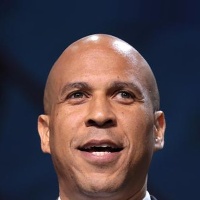
Cory Booker
Senator
NJ
The CLEAN Mergers Act imposes strict new divestiture requirements on large mergers completed between January 20, 2025, and January 19, 2029. It mandates the immediate divestiture of completed threshold transactions (valued at $10 billion or more) unless specific competitive conditions are proven in court. Furthermore, the Act allows federal agencies and state attorneys general to review smaller "enforcement-lapse transactions" for evidence of misconduct or improper influence, potentially leading to required divestiture. Finally, it extends the statute of limitations for antitrust lawsuits from four years to ten years.
New CLEAN Mergers Act Mandates Divestiture for Large Deals Over $10 Billion, Retroactively Reviews Past Mergers
Alright, let's talk about the new CLEAN Mergers Act. This bill is a big deal if you’re tracking how major companies get together. Basically, it’s putting a much tighter leash on big mergers and acquisitions, especially those that have happened or are planned between January 20, 2025, and January 19, 2029. We're talking about deals worth $10 billion or more.
The $10 Billion Club: Divest or Separate
So, if a company completed one of these mega-mergers—what the bill calls a "threshold transaction"—before this law even hits the books, they’re looking at a mandatory full divestiture. That means selling off the acquired assets. If the merger happens after the law is enacted, the companies have to keep their operations separate and independent while the government agencies scrutinize the deal. Think of it like putting your newly purchased car in a separate garage and not driving it until the DMV gives the final all-clear, but with billions of dollars on the line. The only way out of this mandatory sell-off is to convince a court that the merger didn't mess with market concentration, prices, quality, or employment, and that they played by all the rules during the initial review. This is a high bar, folks.
Back to the Future: Reviewing Past Deals
But wait, there’s more. This act also gives agencies and state attorneys general a two-year window to go back and review any merger, even smaller ones (dubbed "enforcement-lapse transactions"), completed during that same January 2025 to January 2029 period. They’re looking for red flags like criminal conduct, improper influence from political appointees or lobbyists, conflicts of interest, or even if the President or a Cabinet member made statements that seemed to sway the deal. If they find a "reasonable basis" to believe something fishy happened, the companies get 30 days' notice to divest all those assets. Imagine finally settling into your new job after a company merger, only for the government to come knocking a year later saying, "Actually, you need to split up." That's a huge disruption for everyone involved, from the C-suite to the folks on the factory floor.
The Long Arm of the Law: Extended Deadlines and Record Keeping
On top of all that, the bill stretches the statute of limitations for antitrust lawsuits from four years to a full decade. That’s a lot more time for potential legal challenges to surface. Plus, every company, their lawyers, and lobbyists involved in these transactions during the covered period have to keep all their communications—we're talking emails, texts, even those disappearing messages—and documents related to the deal. If they fail to preserve these records, a court can assume the missing evidence would have been bad for them, sanction executives, and even make criminal referrals. This isn't just about keeping good records; it's about holding everyone accountable for the fine print.
What This Means for You
So, what’s the real-world takeaway here? If you work for a large company, especially one that’s been involved in or is planning a big merger, this bill could mean some serious turbulence. For shareholders, it introduces a new layer of risk to merger-driven growth strategies. On the flip side, if you're a consumer or a small business struggling against market dominance, this act could be a lifeline. It’s designed to bring more competition back into play, which could mean better prices, more choices, and higher quality goods and services down the line. But getting there might be a rocky road, with big companies facing substantial financial penalties and operational headaches if they don't comply with these new, stricter rules.