This bill prohibits institutions of higher education that receive certain research funding from foreign governments identified as a threat from receiving Department of Defense research and development awards for five years.
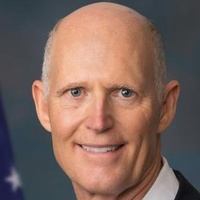
Rick Scott
Senator
FL
This bill amends the National Defense Authorization Act for Fiscal Year 2021 to prohibit certain institutions of higher education from receiving Department of Defense research and development awards. Specifically, an institution is banned for five years if it receives funding from a foreign source for research related to national security or military applications. This prohibition targets funding from specified foreign governments, including China and Russia, for work in areas like artificial intelligence and biotechnology.
New Bill Bans Colleges from DoD Research for 5 Years if They Take Foreign Funds for National Security Work
Alright, let's talk about a new piece of legislation that's looking to shake things up for colleges and universities, especially those involved in cutting-edge research. This bill is all about tightening the reins on who gets to do research for the Department of Defense (DoD), and it could have some pretty big ripple effects.
The Lowdown: What's Changing?
So, here's the deal: this bill amends the William M. (Mac) Thornberry National Defense Authorization Act for Fiscal Year 2021. The big change? If a college or university accepts money from a 'foreign source' for research and development (R&D) that touches on national security or military applications, that institution gets hit with a five-year ban from receiving any DoD R&D awards. Think of it like a timeout, but for federal research dollars. This isn't just about direct government funding either; it includes entities created by a foreign government, those where a foreign government owns at least 25%, and even their agents or subsidiaries. The idea is to keep sensitive research within trusted circles.
Who Are These 'Foreign Sources' Anyway?
The bill gets specific about who counts as a 'specified foreign government.' We're talking about countries like China, Russia, Iran, North Korea, Venezuela, Cuba, Turkey, and Qatar. And, just to keep things flexible, the Secretary of State can add more countries to that list if they deem it necessary. This means the list isn't set in stone and could expand, potentially catching more institutions off guard down the line.
What Kind of Research Is On the Hook?
When the bill talks about 'specified task' research, it's focusing on areas like artificial intelligence (AI), biotechnology, and quantum information science. These are the big, strategic fields where innovation is moving super fast and has direct national security implications. So, if a university is working on, say, a new AI algorithm funded by a Chinese entity, even if it seems benign, they could lose out on DoD contracts for five years. This casts a pretty wide net, as many academic collaborations in these fields are global.
The Real-World Headaches
For a university president, this bill is going to mean a lot more paperwork and some tough decisions. Imagine a research team at a major university, perhaps one that's been collaborating with a European biotech firm (which might have some indirect ties to a 'foreign source' under this bill's broad definitions) on a groundbreaking medical treatment. If that research is deemed to have 'military application,' even if it's a stretch, the university could lose out on critical DoD funding for other projects. This could impact everything from lab upgrades to graduate student stipends. For a grad student relying on a DoD grant for their AI thesis, their entire academic trajectory could be thrown off if their university suddenly gets blacklisted.
This also creates a tricky situation for researchers. Do they pull back from international collaborations that could be beneficial, just to avoid the risk of losing DoD funding? Or do they push forward, hoping their work won't be interpreted as 'national security or military application'? The bill's broad definitions, particularly around what constitutes a 'national security or military application,' could lead to a lot of second-guessing. It's like trying to navigate a minefield without a clear map. The fear of losing out on crucial funding might lead institutions to self-censor, avoiding any international partnerships that might even remotely be seen as problematic, potentially hindering scientific progress in critical areas.
Who Wins and Who Might Lose?
On one hand, the intent here is clear: protect U.S. national security and keep sensitive research out of the hands of potential adversaries. It could push more domestic investment into these critical tech sectors. On the other hand, universities that thrive on international collaboration, especially in fields like AI and biotech, might find themselves in a bind. Students and researchers involved in these global projects could see their opportunities shrink, and the overall pace of scientific advancement in the U.S. could slow down if fear of a five-year ban leads to fewer, rather than more, innovative partnerships. It's a classic trade-off: security versus open collaboration, and this bill leans heavily towards security, potentially at a cost to the collaborative spirit of scientific discovery.