This bill expands the National Health Service Corps loan repayment program to include physical therapists and increases Medicare coverage for physical therapy services at rural and community health centers.
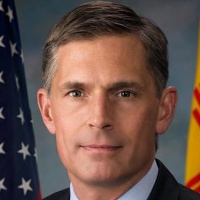
Martin Heinrich
Senator
NM
The Physical Therapist Workforce and Patient Access Act of 2026 aims to increase patient access to physical therapy services in underserved areas. This bill expands the National Health Service Corps loan repayment program to include physical therapists, helping to address shortages. It also allocates dedicated funding for this expansion and ensures Medicare coverage for physical therapy services provided by Rural Health Clinics and Federally Qualified Health Centers.
New Bill Boosts PT Access: $15M for Loan Repayments, Medicare Coverage Expands by 2027
Alright, let's talk about the Physical Therapist Workforce and Patient Access Act of 2026. This bill is essentially a big push to get more physical therapists where they're needed most, especially in places that currently don't have enough. Think of it as a two-pronged attack: making it easier for PTs to serve these areas and making it easier for you to get physical therapy if you live in one.
Easing the Student Loan Burden
First up, the bill expands the National Health Service Corps (NHSC) loan repayment program to include physical therapists. If you're a PT with a master's or doctoral degree, this is a pretty big deal. The NHSC program helps healthcare professionals pay off their student loans if they commit to working in underserved communities. So, if you're a new grad staring down a mountain of student debt, this bill, specifically Section 2, could offer a significant pathway to financial relief while putting your skills to work where they're genuinely needed. It also adds physical therapy to the list of primary health services the Corps provides, meaning more focus on this crucial area.
To really sweeten the deal, Section 3 of the bill tacks on an additional $15 million specifically for these physical therapist loan repayments. That's extra cash dedicated to getting more PTs into those high-need areas, which means more opportunities for therapists and better access for patients.
Pinpointing PT Shortages and Expanding Access
This isn't just a blanket approach; the bill gets specific about where these PTs are needed. Section 2 tasks the Secretary of Health and Human Services with identifying "physical therapy health professional target areas" within existing Health Professional Shortage Areas (HPSAs). They'll establish criteria, collect data, and even get input from medical groups to figure out exactly where the PT gaps are. This means that instead of just guessing, the program will be directed to communities with a proven need for physical therapy services.
Then, for folks in rural areas or those relying on community health centers, Section 4 is a game-changer. Starting January 1, 2027, Medicare coverage will expand to include physical therapy services provided by Rural Health Clinics (RHCs) and Federally Qualified Health Centers (FQHCs). What does this mean for you? If you live in a rural community or use an FQHC, getting the physical therapy you need after an injury or surgery could become a whole lot easier and more affordable, as these services will now be covered under Medicare. This is a direct win for access, especially for older adults or those with limited healthcare options.