The LIFT AI Act establishes competitive awards through the National Science Foundation to develop K-12 curricula, teacher training, and research focused on promoting essential AI literacy for students and educators.
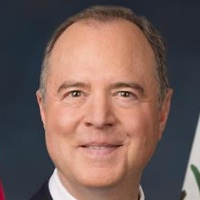
Adam Schiff
Senator
CA
The LIFT AI Act aims to prepare K-12 educators and students for an AI-literate future by promoting AI literacy and proficiency in education. It authorizes the National Science Foundation to award competitive grants for developing K-12 curricula, teacher training, and evaluation tools focused on essential AI competencies. This initiative seeks to ensure young people can effectively use, interpret, and mitigate risks associated with artificial intelligence.
New LIFT AI Act Boosts K-12 AI Literacy: NSF to Fund Curriculum & Teacher Training
Alright, let's talk about the new LIFT AI Act – that's the Literacy in Future Technologies Artificial Intelligence Act. This isn't some far-off tech fantasy; it's about getting our kids and their teachers ready for a world that's already running on AI. Think about it: AI is everywhere, from your phone's photo sorting to how that new car navigates. Congress is basically saying, “Hey, we need to make sure our young people aren't just consumers of AI, but understand how to use it, create it, and frankly, not get steamrolled by it.” This bill is about making sure the U.S. stays ahead of the curve, especially when other countries are getting serious about AI for all sorts of reasons, good and not-so-good.
What's the Big Idea?
So, what's actually happening here? The Director of the National Science Foundation (NSF) is going to start handing out competitive awards. We're talking merit-reviewed, competitive awards, which means folks will have to prove their ideas are solid. These awards are for universities and non-profit groups to research and develop a whole bunch of stuff related to AI literacy for K-12 education. This isn't just about coding; it’s about understanding what AI is, how it works, and how to use it responsibly. The bill specifically mentions focusing on skills that will stay relevant as AI keeps evolving, from kindergarten all the way through high school.
Funding the Future of Learning
What can these awards be used for? Pretty much anything that helps get AI into schools in a meaningful way. We're talking about developing new, engaging curricula that are “learner-centered, project-based, and personalized” (Section 2, Paragraph 4, Subsection A). Imagine your kid's science class not just learning about robots, but actually understanding the AI that makes them smart. The funds can also go towards training teachers and school leaders, because let's be real, many educators might not have had AI in their own training. This includes creating professional development courses, mentoring programs, and even hands-on tools to help students grasp these complex concepts. The goal is to either create new AI-focused lessons or weave AI literacy into existing subjects, always emphasizing responsible use.
What Does 'AI Literacy' Even Mean?
Good question, because that term can sound a bit academic. The bill defines “AI literacy” as “having the age-appropriate knowledge and ability to use artificial intelligence effectively, to critically interpret outputs, to solve problems in an AI-enabled world, and to mitigate potential risks” (Section 2, Paragraph 6, Subsection A). Think of it like this: it's not just knowing how to use a smartphone, but understanding how the apps on it are using AI, what data they might be collecting, and how to spot if something’s off. For a high school student, this might mean understanding the ethics of AI in self-driving cars; for a younger kid, it could be learning how a simple AI game works. This bill is about giving everyone, from future coders to future electricians, the foundational knowledge to thrive in an AI-driven economy, ensuring they can navigate the tech without being overwhelmed by it.