This act prohibits the Secretary of the Interior from implementing the 2023 Land Protection Plan for the Muleshoe National Wildlife Refuge.
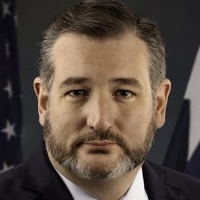
Ted Cruz
Senator
TX
The No FED in West Texas Act prohibits the Secretary of the Interior from implementing or enforcing the 2023 Land Protection Plan for the Muleshoe National Wildlife Refuge. This restriction also applies to any future plans substantially similar to the one published in February 2023.
New 'No FED in West Texas Act' Blocks Muleshoe Wildlife Refuge Protection Plan, Impacting Local Ecosystems
Alright, let's talk about something that just landed on the policy desk: the “No FED in West Texas Act.” Forget the jargon for a second, because what this bill really does is pretty straightforward: it hits the brakes on a plan to protect land around the Muleshoe National Wildlife Refuge. Specifically, it tells the Secretary of the Interior, “Nope, you can’t finalize, implement, or enforce that Land Protection Plan for the Muleshoe National Wildlife Refuge that was put out in February 2023.” And just to make sure the message sticks, it also bans any future plans that look “substantially similar” to that 2023 proposal. So, if you live near Muleshoe, or just care about wildlife, this one’s for you.
Putting the Brakes on Conservation
Think of it like this: Imagine you’ve got a leaky faucet, and someone proposes a solid plan to fix it. This bill essentially says, “Hold up, don’t fix that faucet,” and then adds, “And don’t even think about fixing it with a similar plan later.” The core of this legislation, found in Section 2, directly prohibits the U.S. Fish and Wildlife Service from moving forward with the Land Protection Plan for the Muleshoe National Wildlife Refuge. This isn't just a minor tweak; it's a full stop on a designated conservation effort. For the wildlife in and around Muleshoe, like migratory birds that rely on that habitat, this means the protections they were slated to receive are now off the table. It’s like telling a farmer they can’t use a specific crop rotation plan, even if it’s designed to keep their soil healthy.
Who Benefits, Who Pays?
So, who stands to gain from pressing pause on this protection plan? Well, if you’re a developer eyeing land near the refuge, or an industry that might want to use those areas for other purposes, this bill could clear the way. It effectively reduces federal oversight and potential restrictions on land use around the refuge. On the flip side, the wildlife and ecosystems within the Muleshoe National Wildlife Refuge are definitely on the losing end. Without a formal protection plan, these areas could become vulnerable to activities that might degrade their habitat. For environmental groups and anyone who values the natural beauty and biodiversity of West Texas, this bill represents a significant step backward. It’s a classic case where what benefits one group might come at a direct cost to the environment and the public who enjoy these natural spaces.
The 'Substantially Similar' Question Mark
One detail in Section 2 that caught my eye is the phrase “substantially similar.” The bill doesn’t just block the 2023 plan; it also blocks any future plan that is “substantially similar” to it. This is where things get a little fuzzy. What exactly counts as “substantially similar”? Is it 50% similar, 80% similar, or just anything that aims to protect the land in a similar way? This vagueness could lead to endless debates and legal challenges down the road. It essentially ties the hands of future land managers, making it incredibly difficult to implement any meaningful conservation strategy for the refuge without risking another legislative roadblock. For everyday folks, this means less clarity on how our natural resources will be managed and more potential for ongoing uncertainty about the future of places like Muleshoe.