This Act expands eligibility for certain Small Business Administration (SBA) loans and bond guarantees to include specific non-citizens and individuals residing outside the U.S. if they meet established criteria.
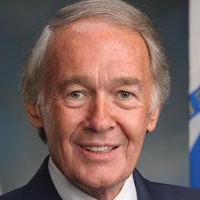
Edward "Ed" Markey
Senator
MA
The Investing in the American Dream Act expands eligibility for key Small Business Administration (SBA) loans and surety bonds. This change allows businesses majority-owned by certain immigrants, non-citizens lawfully present in the U.S., and even some individuals residing abroad to access federal support. The bill ensures that businesses meeting ownership and location criteria are not denied SBA financing solely because of the status of their eligible owners.
SBA Loan Access Expands: Immigrants and Non-Citizens Now Eligible for Key Small Business Funding
Alright, let's talk about something that could seriously shake up the small business scene: the "Investing in the American Dream Act." This bill is pretty straightforward and aims to open up some crucial funding doors that have, for a long time, been tough for certain groups to access. Basically, it says that if you're an immigrant or a non-citizen who's legally here and authorized to work, you could now be eligible for some of the Small Business Administration's (SBA) most popular loans and guarantees.
Opening the Funding Floodgates
So, what does this actually mean? Well, if you're an individual granted asylum, a refugee, a lawful permanent resident (that's your green card holder), or even a DACA recipient, this bill extends eligibility for some big-deal SBA programs to you. We're talking about the Section 7(a) loans, which are super popular for general business needs, microloans for smaller startups, and even surety bond guarantees which can be a game-changer for contractors. The catch? Your business still needs to be in the U.S., and at least 51% owned and controlled by either U.S. citizens or these newly eligible individuals. Plus, if you're one of those eligible individuals, you need to be lawfully present and authorized to work in the U.S. when you apply. It even includes individuals whose primary residence is outside the United States, which is an interesting twist for businesses looking to set up shop here.
No Discrimination Allowed
One of the clearer points in this bill is a direct prohibition on denying a small business a "covered loan" just because it's owned by eligible individuals. As long as the business meets all the other standard requirements for an SBA loan—like being located in the U.S. and meeting that 51% ownership threshold—its owners' immigration status won't be a roadblock. This is a pretty big deal because it takes away a potential barrier that some entrepreneurs might have faced, ensuring a more level playing field for accessing capital. The bill also makes it clear that the SBA can't just crank up that 51% ownership requirement, keeping the rules consistent.
Real-World Impact: More Entrepreneurs, More Jobs
Think about it: if you're a refugee with a brilliant business idea but no access to traditional loans because of your status, this bill could be your golden ticket. For someone who's been granted asylum and is looking to start a new life and contribute economically, an SBA microloan could be the difference between a dream and a thriving small business. This isn't just about helping individuals; it's about potentially sparking more small businesses, creating more jobs, and injecting more economic activity into local communities. It broadens the pool of potential entrepreneurs who can tap into federal support, which is good news for anyone who believes in the power of small business to drive growth.