The Neighborhood Tree Act of 2026 establishes the Neighborhood Tree Fund to prioritize and fund projects that increase and improve urban tree canopy in underserved and heat-vulnerable communities.
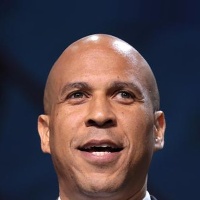
Cory Booker
Senator
NJ
The Neighborhood Tree Act of 2026 establishes the Neighborhood Tree Fund to increase and improve urban tree canopies, prioritizing investments in underserved and high-heat communities. This legislation directs the Department of Agriculture to fund projects that enhance community health and climate resilience through tree planting and maintenance. The Act also updates the composition of the National Urban and Community Forestry Advisory Council to better reflect community needs.
New 'Neighborhood Tree Act' Eyes $700M for Greener, Cooler Communities by 2031
Alright, let's talk trees. Not just any trees, but the kind that can actually make your neighborhood cooler, your air cleaner, and maybe even your property value a little higher. We're diving into the Neighborhood Tree Act of 2026, a piece of legislation that's looking to put some serious green into our urban landscapes.
Planting the Seeds of Change
So, what's the deal with this bill? At its core, the Neighborhood Tree Act is all about boosting our urban forests. It sets up something called the Neighborhood Tree Fund within the Department of Agriculture. Think of it as a dedicated bank account for planting and maintaining trees in places that really need them. The bill clearly states its purpose: to provide assistance for projects that “increase and improve the overall health of community tree canopies.” This isn't just about aesthetics; the bill points out that healthy urban forests are good for our physical and mental health, they clean the air, cut down on energy bills by cooling things off, and even help manage stormwater. They're basically multi-tasking superheroes for our cities.
Who Gets to Grow?
Now, who's eligible for this green cash? The fund is open to states, Indian Tribes, local governments, approved organizations, and even local community tree volunteer groups. So, if you're part of a local group that’s been dreaming of turning that dusty lot into a shaded park, this could be your shot. The Secretary of Agriculture, working with the Secretary of Housing and Urban Development, will set the rules for getting this assistance, covering everything from “engagement with communities and stakeholders” to making sure the right trees are picked and maintained properly. This is where it gets a little fuzzy, as the exact requirements are still to be penned, but the intent is to ensure these projects are well-planned and sustainable.
Targeting the Hot Spots
Here’s where the bill really aims to make a difference. It gives priority to projects in specific areas. We're talking about census tracts where at least 20% of residents live in poverty, or places that were “formerly redlined areas”—those neighborhoods historically denied investment, often leading to less green space and higher temperatures. The bill highlights that these areas can be up to 7 degrees Celsius hotter than non-redlined areas, which is a huge difference on a sweltering summer day. It also prioritizes projects that use “climate change science in project design” and those that support “community-led urban agroforestry or tree-based local food production.” Basically, they want to cool down the hottest neighborhoods, improve public health, and even help grow local food, all with trees.
The Money Trail and the Advisory Crew
This isn't just a small-time initiative. The bill authorizes some serious funding: $100 million for fiscal year 2027, ramping up to $700 million by 2031. That's a significant investment over five years, showing a long-term commitment to greening our cities. There's also a cap: no more than 10% of the money can be used for just assessing tree canopies, meaning most of the funds are earmarked for actual planting and maintenance. On top of that, the bill tweaks the National Urban and Community Forestry Advisory Council, adding a new member from a community with a population under 50,000 and another from a low-income community. This means more diverse voices will be at the table, helping guide how these programs roll out and ensuring the benefits reach everyone, not just the usual suspects. It’s a smart move to make sure the people on the ground, in varied communities, have a say in how these projects move forward.