This bill mandates a report on the use of artificial intelligence systems with access to unminimized information collected under the Foreign Intelligence Surveillance Act and requires coordination before granting future AI access.
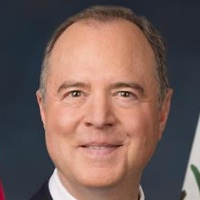
Adam Schiff
Senator
CA
This bill mandates a comprehensive report from the Attorney General and the Director of National Intelligence detailing the use of artificial intelligence systems accessing unminimized information collected under the Foreign Intelligence Surveillance Act (FISA). The report must cover the AI system's function, training data, human review processes, and access levels. Furthermore, it requires joint consultation and notification to congressional and judicial bodies before any new AI system is granted such access in the future.
New Bill Demands Transparency on AI Use in FISA Surveillance: Report Due in 120 Days
Alright, let's talk about something that sounds super techy and government-y but actually touches on some pretty fundamental stuff: how Uncle Sam uses Artificial Intelligence with our data. This new bill, straight out of the legislative pipeline, is all about pulling back the curtain a bit on that.
What's the Big Deal?
So, what's actually happening here? This bill basically tells the Attorney General and the Director of National Intelligence to team up and write a detailed report. This isn't just any report; it's specifically about how they're using AI with information collected under the Foreign Intelligence Surveillance Act (FISA)—you know, the kind of data that hasn't been 'minimized' yet. Think of 'unminimized' as raw, unfiltered data. They've got 120 days from when this bill becomes law to get it done.
Peeking Under the Hood of Government AI
This report isn't going to be some vague, high-level overview. The bill, specifically in Section 2, demands some serious specifics. For every AI system that touches this unminimized FISA data, they need to spill the beans on a few key things:
- What it does: The name of the AI system, its function, and its purpose. Basically, what's its job?
- How it was built and tested: What kind of testing did it go through before they started using it? And how are they making sure it keeps working correctly, including whether humans are still checking its work?
- Who made it: Was it built by a government agency or a private company? This helps us understand who's behind the tech.
- What it learned from: What data was used to train this AI? This is a big one, as the quality and bias of training data can really shape an AI's behavior. They also need to mention any limitations of the model.
- Its access level: When did this AI first get its digital hands on FISA data, what access does it have now, and what other data sources does it tap into?
- Previous scrutiny: Has anyone in Congress or the FISA Court already looked at this AI's use? If so, what did they say?
This report isn't just for a few folks in a secure room; there will be a public, unclassified version available on the Department of Justice and Office of the Director of National Intelligence websites. So, for the first time, we might get a clearer picture of how these powerful tools are being deployed.
A Heads-Up for Future AI Moves
Beyond just reporting on what's already happening, Section 3 of the bill sets up a new rule for going forward. Before the Attorney General and the Director of National Intelligence can give any new AI system access to that raw FISA-collected information, they have to give a heads-up to the same congressional committees and FISA judges who get the report. This notification needs to include a description of the new AI, what it will do, what info it will access, and, critically, an assessment of whether using it complies with FISA and other laws. It's like saying, 'Hey, before you plug in that new AI, tell us how it fits into the legal framework.'
Why This Matters for You
While this bill doesn't directly impact your daily commute or your grocery bill, it's a big step towards transparency in how the government uses advanced technology that could potentially process vast amounts of sensitive information. For anyone who cares about privacy, government oversight, or simply understanding how powerful new tools are being used behind the scenes, this report and the new notification requirement are a significant development. It’s about making sure that as technology advances, the checks and balances keep pace, giving legislative and judicial bodies—and the public—a better shot at understanding what's going on.