This bill grants trained and certified owners and operators of critical infrastructure the authority to use drone countermeasures against threats to their facilities and establishes a grant program to help fund anti-drone technology.
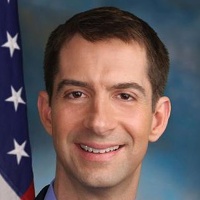
Tom Cotton
Senator
AR
The Critical Infrastructure Airspace Defense Act grants owners and operators of designated critical infrastructure facilities the authority to detect, track, and stop drone threats after completing mandatory training and certification. The bill also establishes a grant program to help these entities purchase approved anti-drone technology. This new authority provides liability protection for authorized actions taken to defend critical infrastructure against aerial threats.
New Bill Empowers Critical Infrastructure to Zap Threatening Drones, Offers Grants & Liability Shield
Alright, let's talk about something that sounds straight out of a sci-fi flick but is very much real-world policy: the Critical Infrastructure Airspace Defense Act. Basically, this bill is looking to give the folks running our power plants, key substations, and other vital infrastructure the green light to take down drones they deem a threat. Think of it as giving them a direct line to defend their turf in the skies, a power that's currently mostly reserved for federal agencies.
Giving Private Hands the Power to Defend
Right now, if a drone is buzzing around a power station, the private company running that station is pretty limited in what they can do. This bill changes that big time. Under Section 3, it says that owners and operators of designated critical infrastructure facilities can take "actions necessary to mitigate a credible threat" from a drone. This isn't just a suggestion; it actually overrides several existing federal laws that would otherwise stop them, like those against aircraft sabotage or even wiretapping. So, if your local power grid operator thinks a drone is a problem, they could legally interfere with it, even seize it. This is a pretty significant shift, essentially deputizing private security for a slice of our airspace. The catch? Their personnel have to be trained and certified by the Department of Homeland Security first, and this authority comes with an expiration date of September 30, 2031.
Training, Tech, and a Shield from Lawsuits
For those critical infrastructure facilities to actually use this new power, there’s a whole setup involved. Section 3 also mandates that only personnel who've gone through a national certification program, established by the Secretary of Homeland Security, can use these drone countermeasures. This program will cover legal, operational, and technical skills, and ensure they're using approved anti-drone tech while coordinating with the FAA to keep the national airspace safe. To help these facilities get the gear they need, Section 4 sets up a grant program, offering a cool $250 million from 2027 to 2031 to help them buy, install, and operate anti-drone systems. And here’s a big one: Section 5 provides liability protection. Unless they act with "gross negligence or willful misconduct," these owners, operators, and their authorized personnel can’t be held liable for civil or criminal claims resulting from these actions. That’s a pretty strong shield, and it means if a drone operator's expensive equipment gets zapped, they might not have much recourse.
What This Means for Your Drone, Your Wallet, and the Air Above
So, what's the real-world impact here? If you're a drone hobbyist or run a commercial drone business, this bill means you'll need to be hyper-aware of where critical infrastructure facilities are located. An innocent flight could be seen as a "credible threat" and your drone could be interfered with or even seized. The bill doesn't really spell out what a "credible threat" specifically means, leaving a lot of room for interpretation by the facility operators. For anyone who relies on a stable power grid, this could mean fewer disruptions from potential drone-related attacks, which is a clear win. However, the broad authority given, coupled with liability protection, means there’s a real need for robust oversight and clear guidelines from the DHS to prevent overreach or unintended consequences for the national airspace. It's a tricky balance between security and potential infringement on personal property and existing legal frameworks. The devil, as always, will be in the details of how these regulations and coordination protocols are actually implemented.